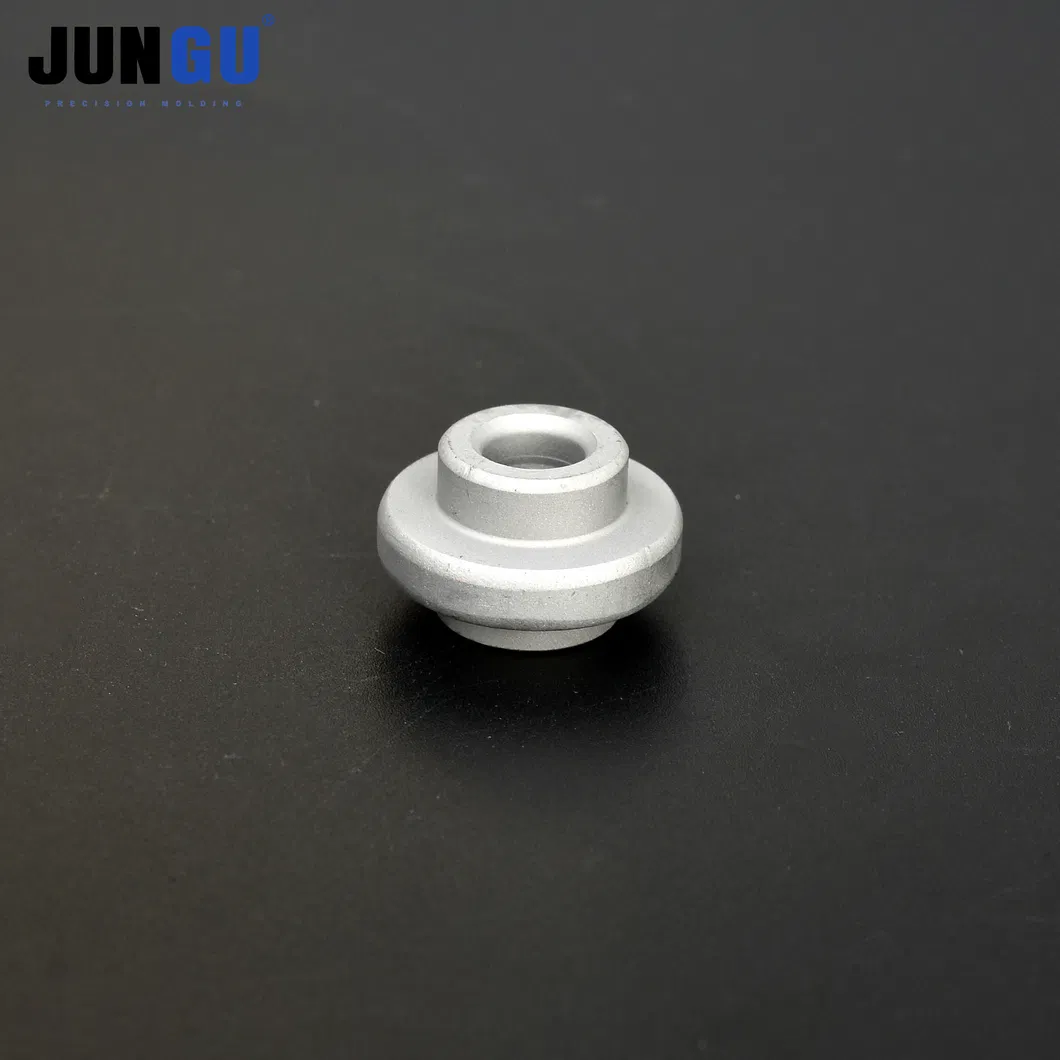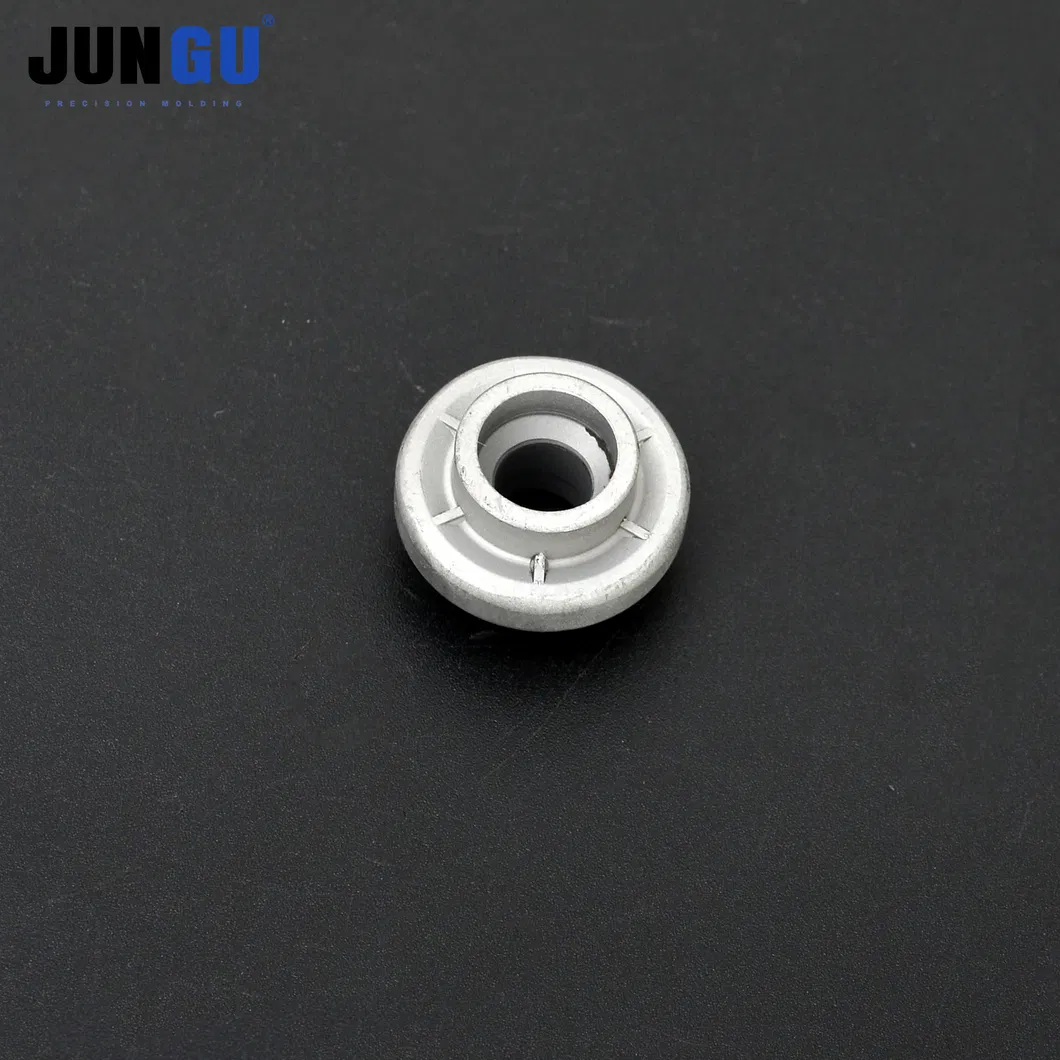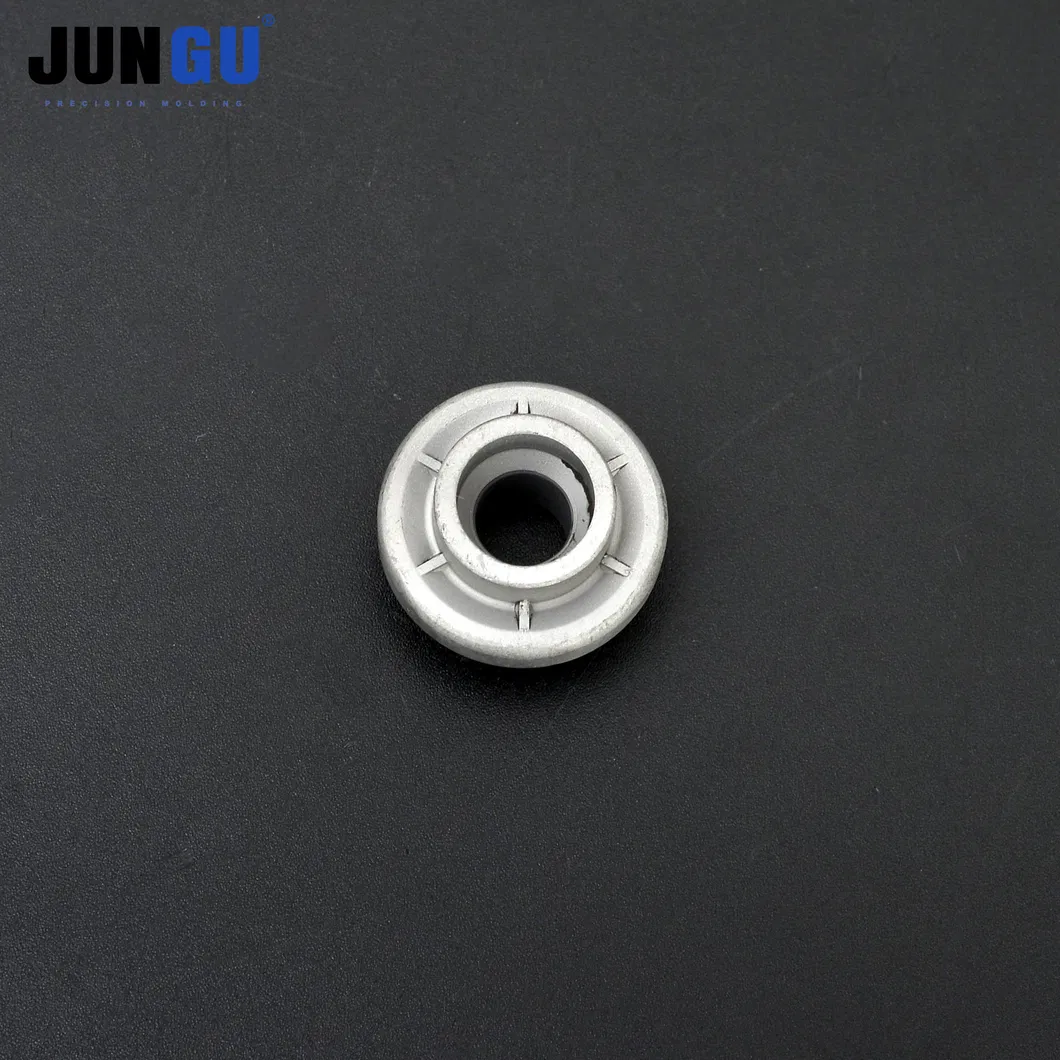
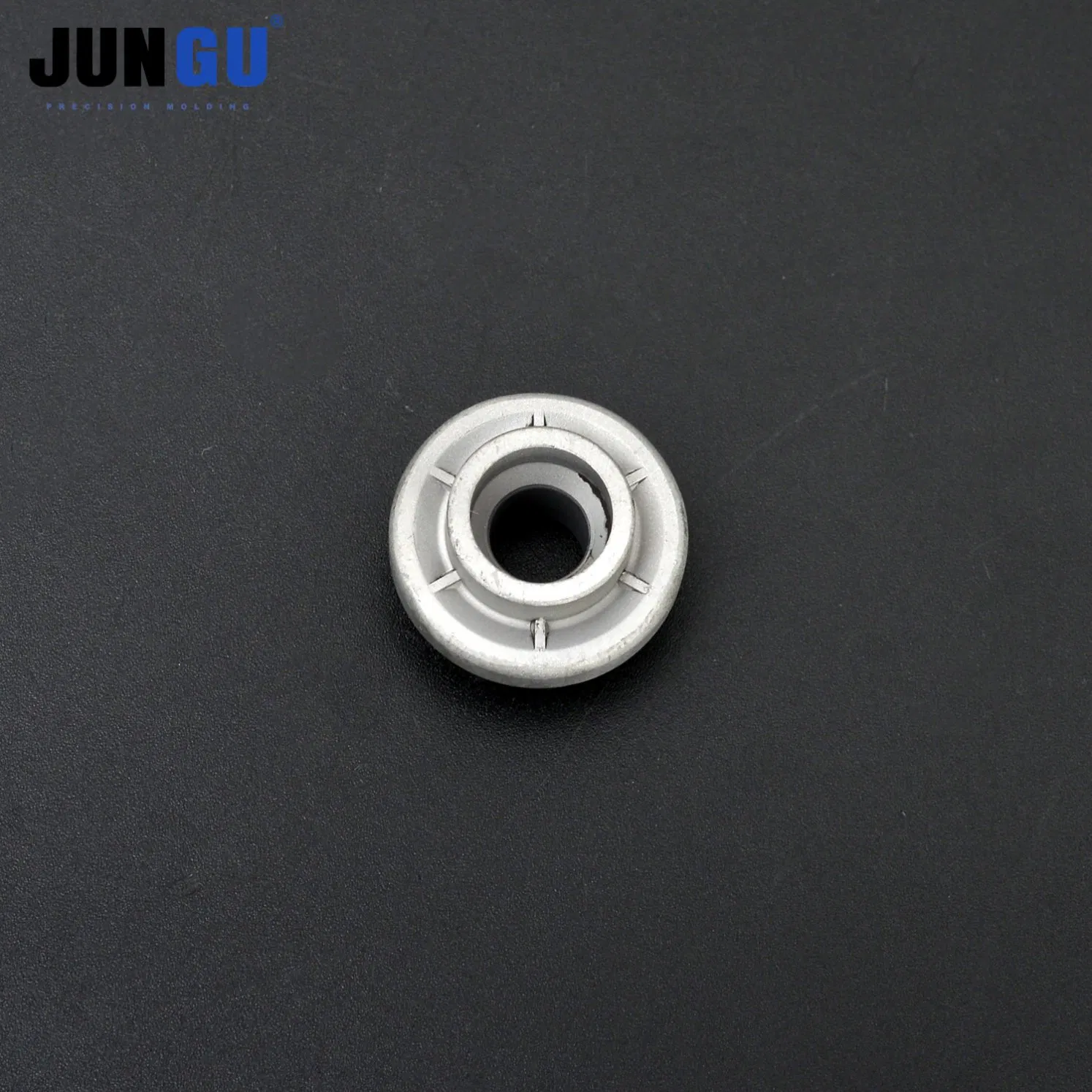
Durable Tungsten Carbide Cold Heading Fasteners for Heavy-Duty Use

Still deciding? Get samples of $ !
Order Sample

Product Description

Basic Information
Model NO.JG-CTO-294
CraftworkCold Heading
CertificationISO
WarrantyProduct Life Based on Production Environment
Metal ColorNature Metal
HS Code8207300090
Package Size22.00cm * 21.00cm * 17.00cm
Gross Weight5.000kg
TransportationAir/Sea/Railway
Capacity10000PCS
Sample SupportYes
ConditionNew
Product Description
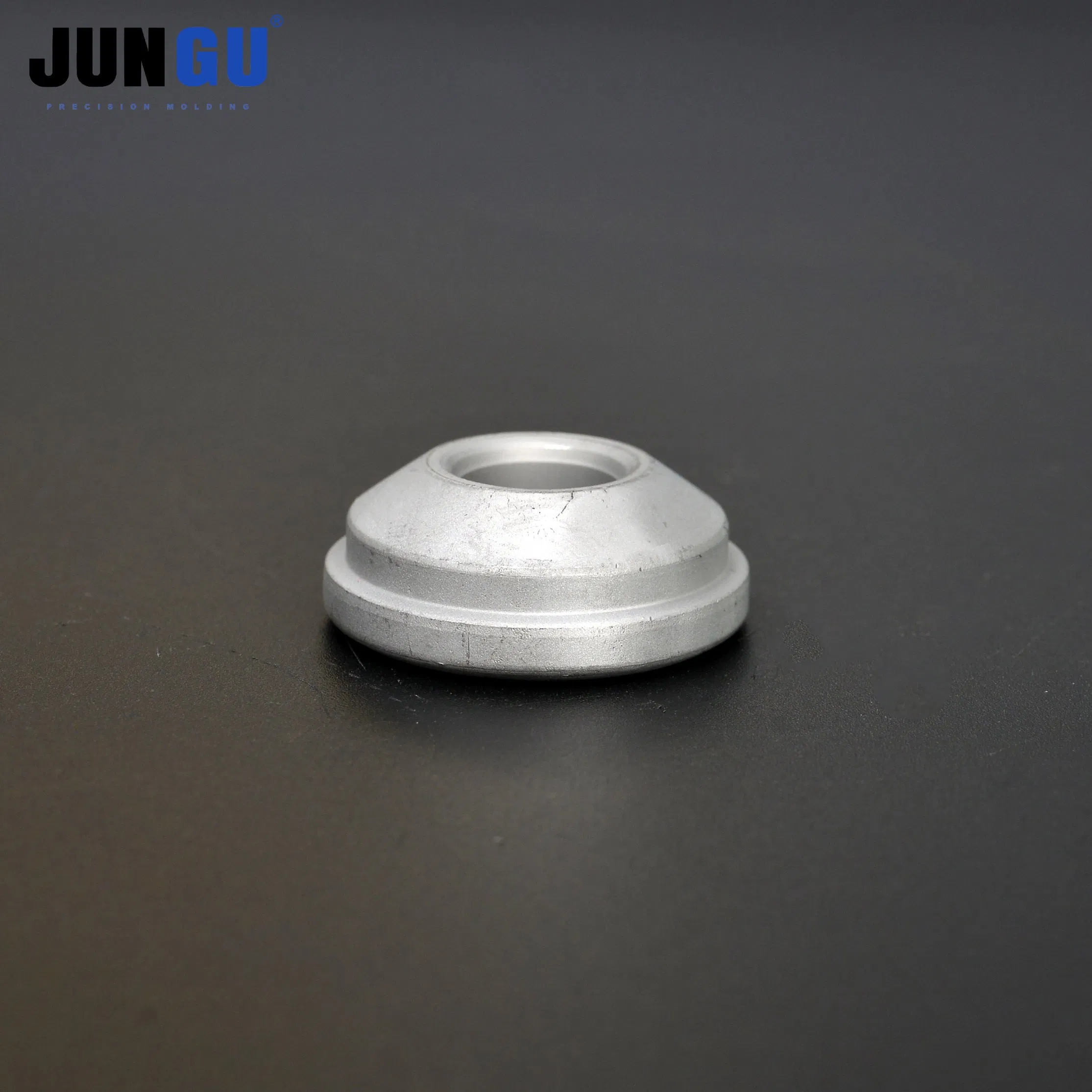
Bolt Die 1
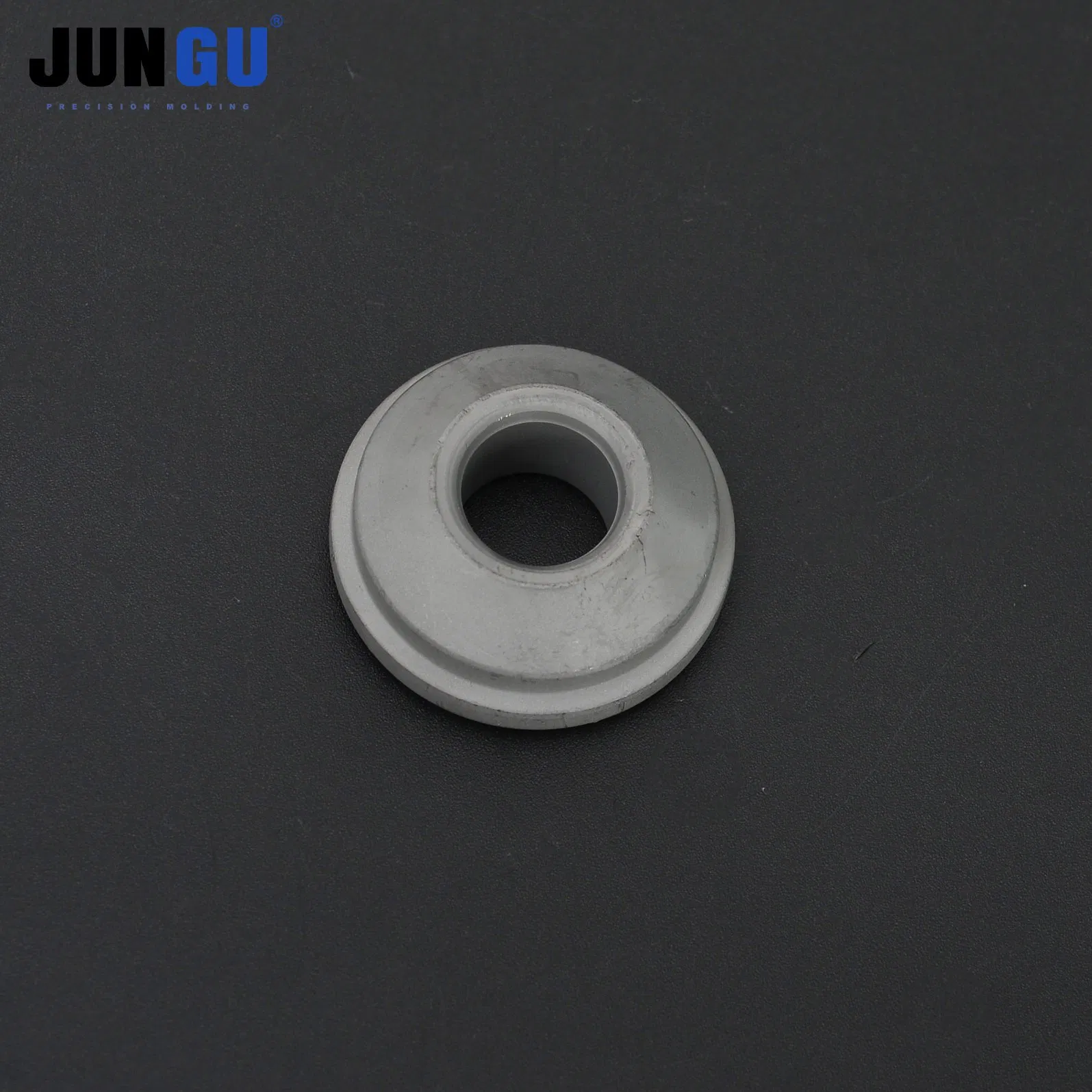
Bolt Die 2
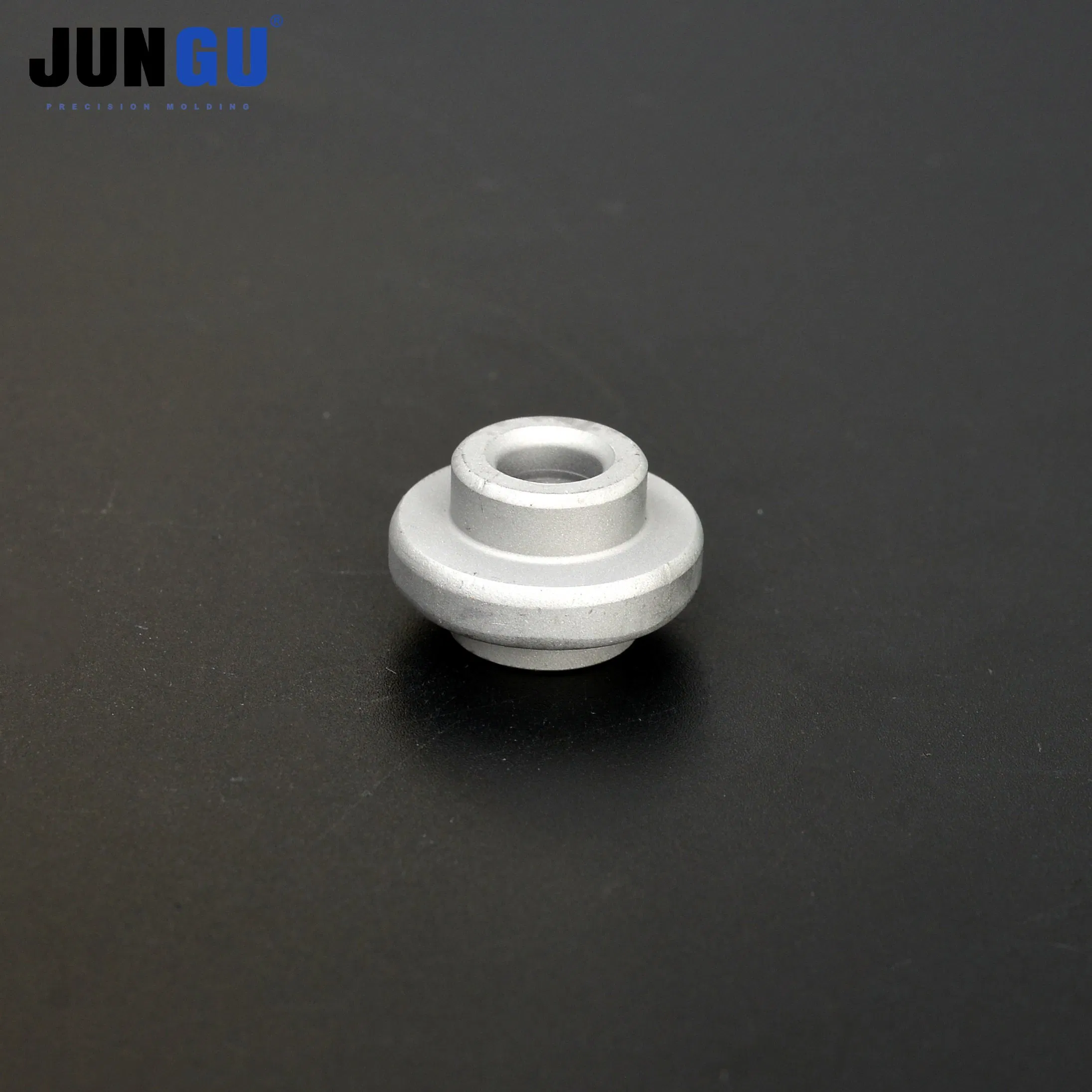
Bolt Die 3

Prime Carbide Die Bolt Die Manufacturer

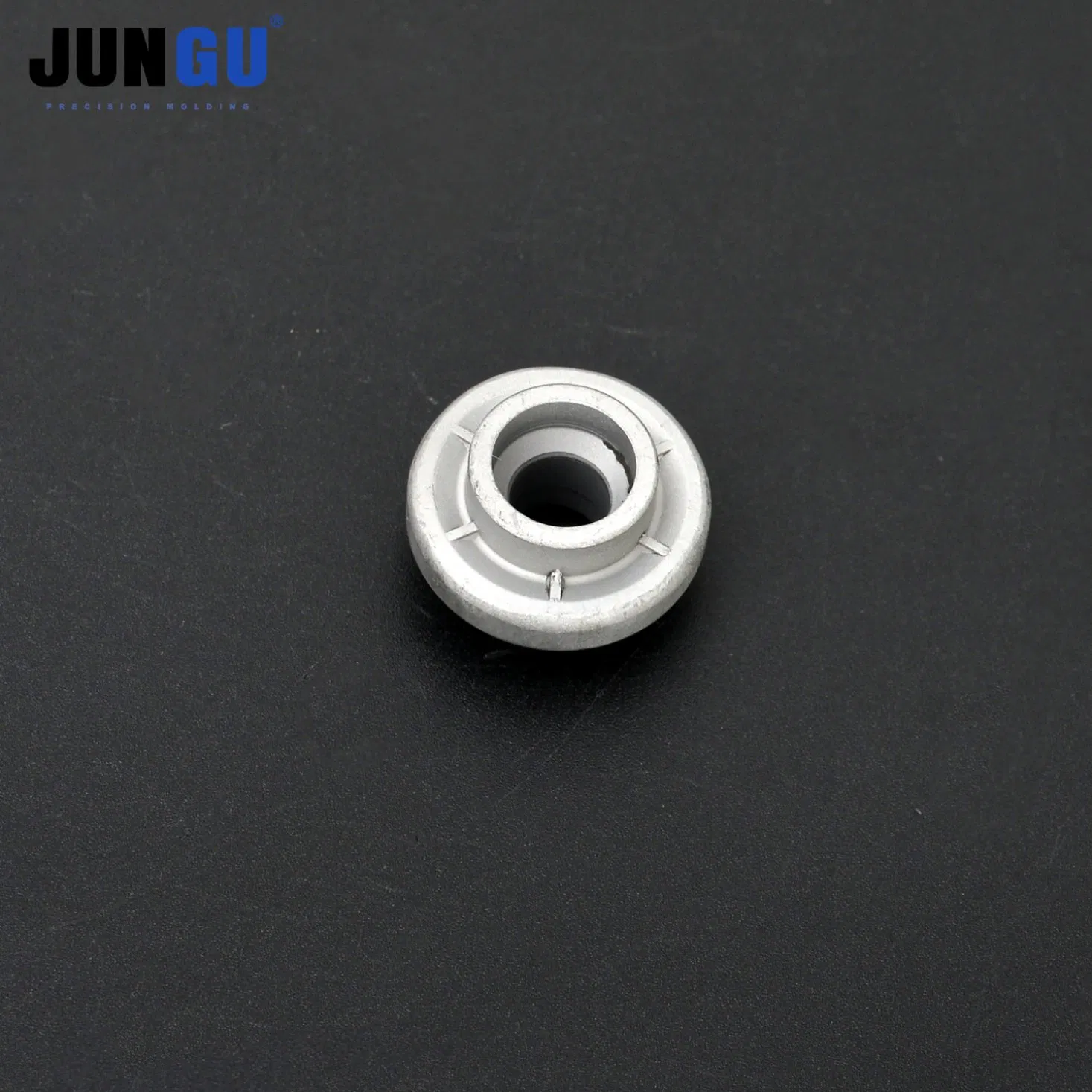
Tungsten carbide die bolt is mainly composed of tungsten carbide insert and high speed steel die case. Brass color is due to titanium coating. Tungsten carbide has the characteristics of high strength, high abrasion resistance, high hardness, and high temperature resistance, which can effectively improve the service life of the mould while meeting the production of different nut materials.

Product NameDie bolt/punch & die set /bolt die
MaterialTungsten carbide / High-speed steel / titanium
AccuracyHigh-precision (0.005)
RoughnessRA0.1
AdvantageHigh hardness, high wear resistance, high heat-resistance
Lead timeAround 15 days (10 days available for urgent orders)
ProcessingCold heading, warm heading, hot forging, cold extrusion
Applications & Capabilities

Suitable for high strength automotive fasteners, auto parts, engineering forging parts, rail transit rivets, aerospace rivets, tensile mold products, and all kinds of standard cold heading molds.

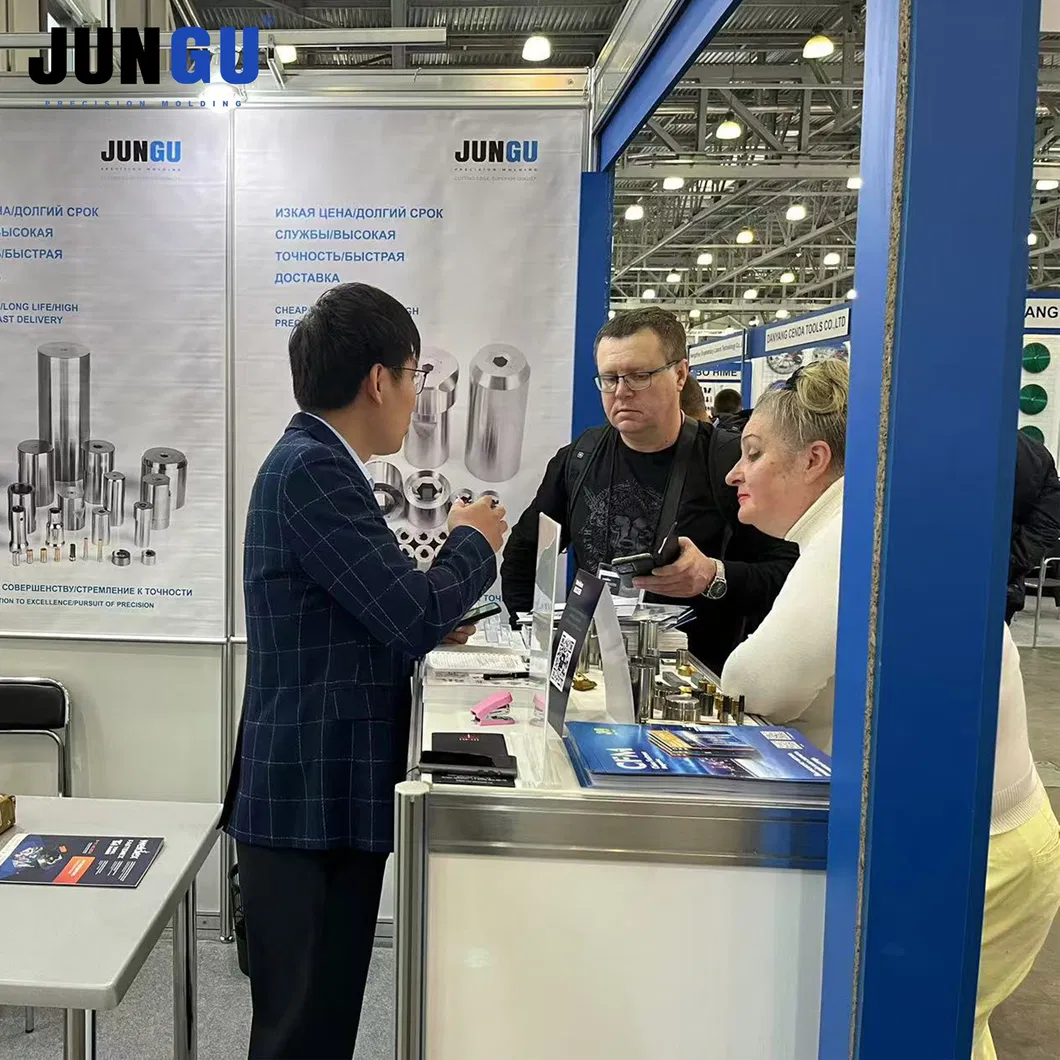
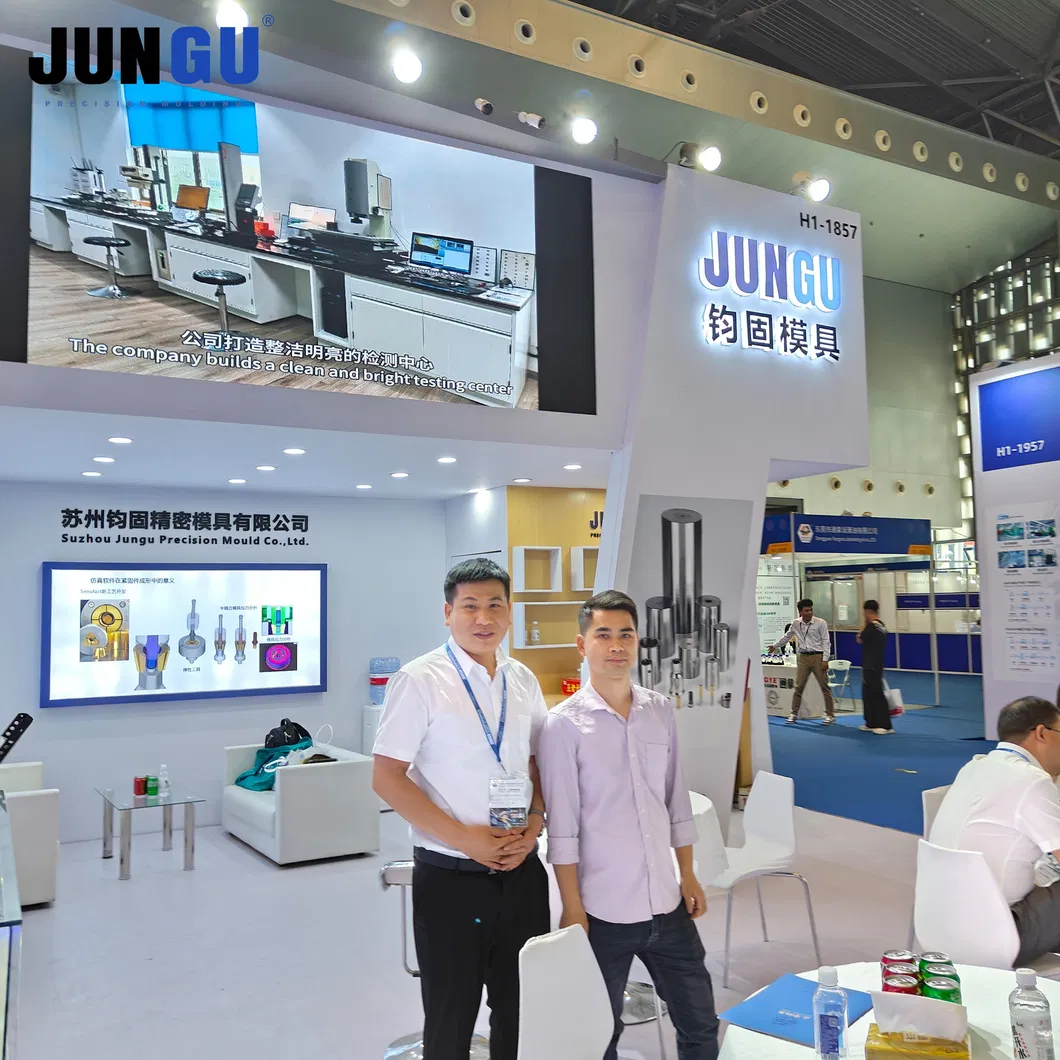
Factory 1
Factory 2
Factory 3
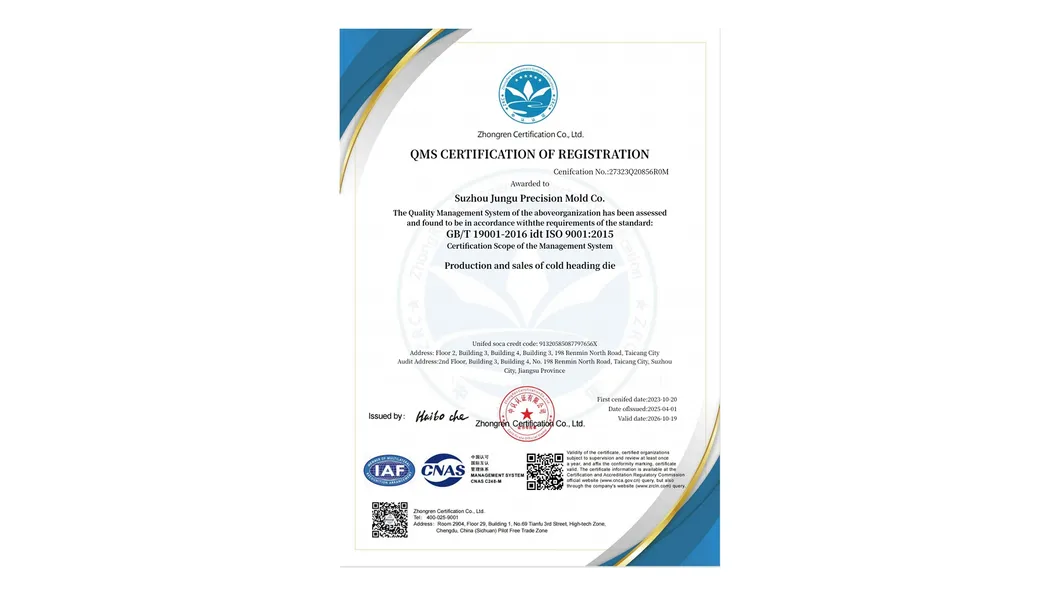
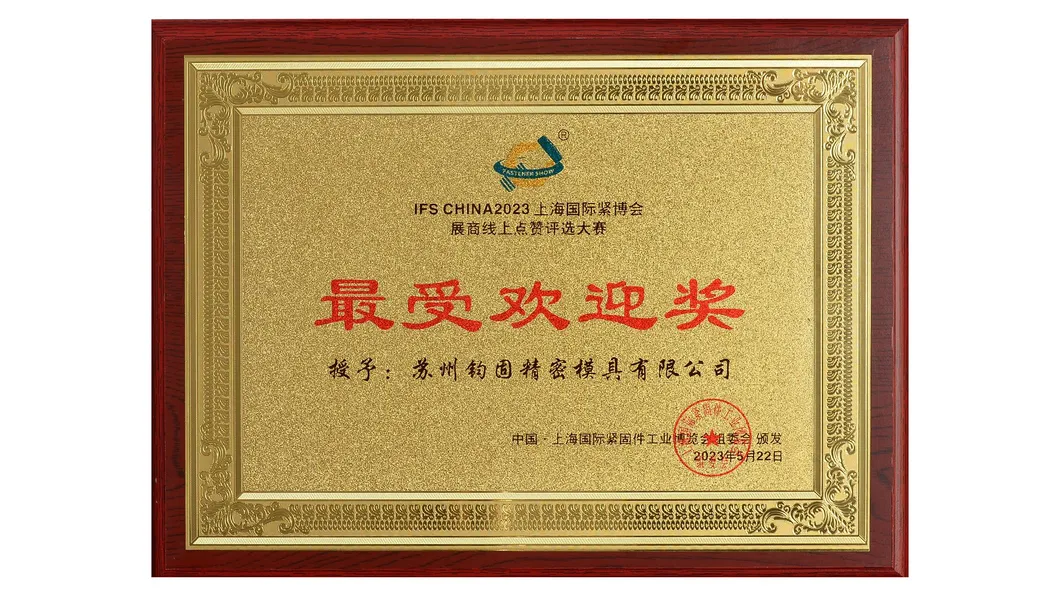
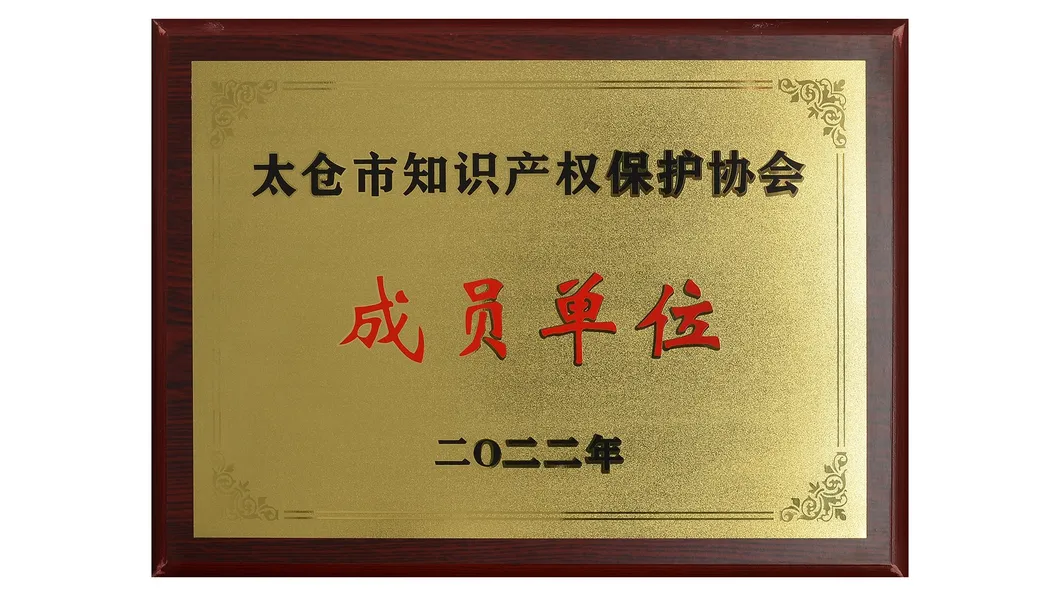
Certifications
Cert 1
Cert 2
Cert 3
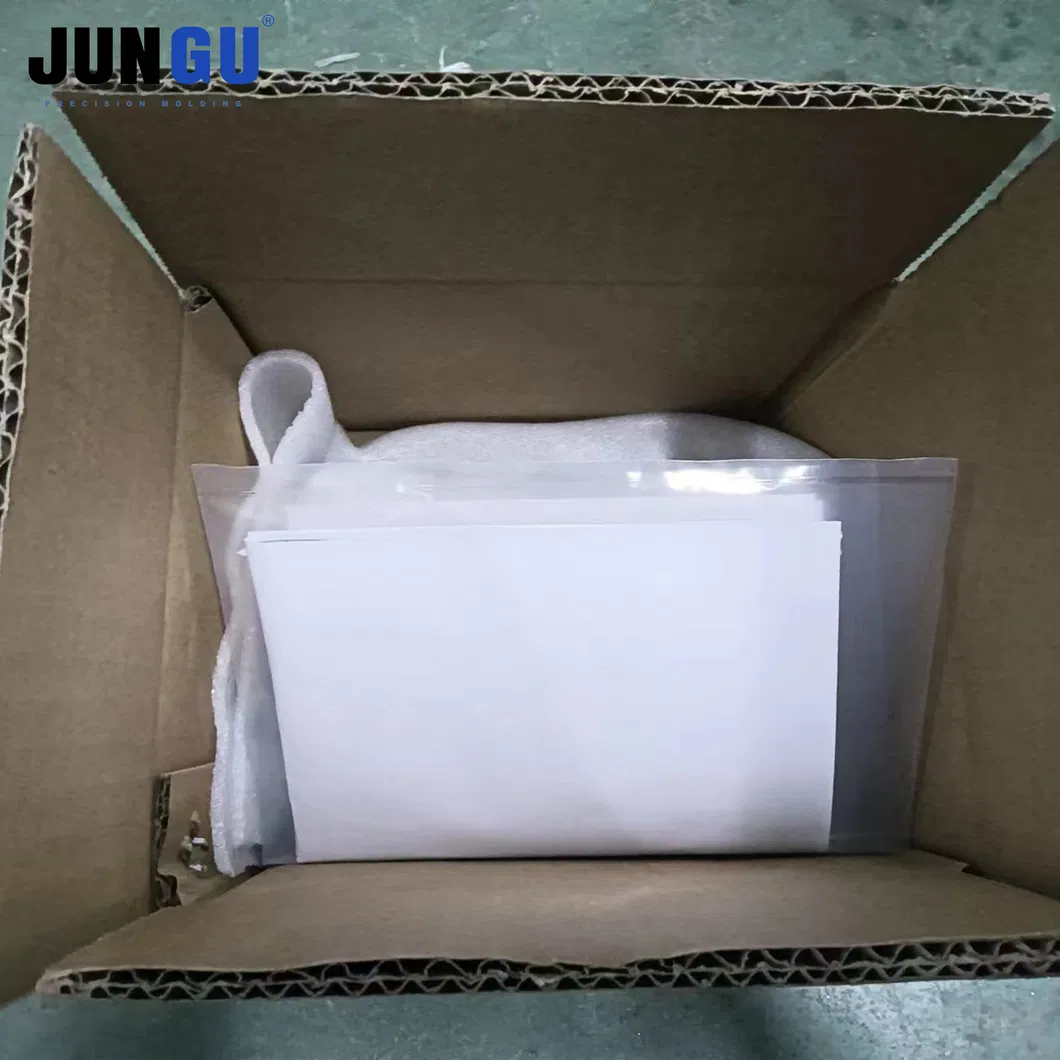
Packaging & Shipping
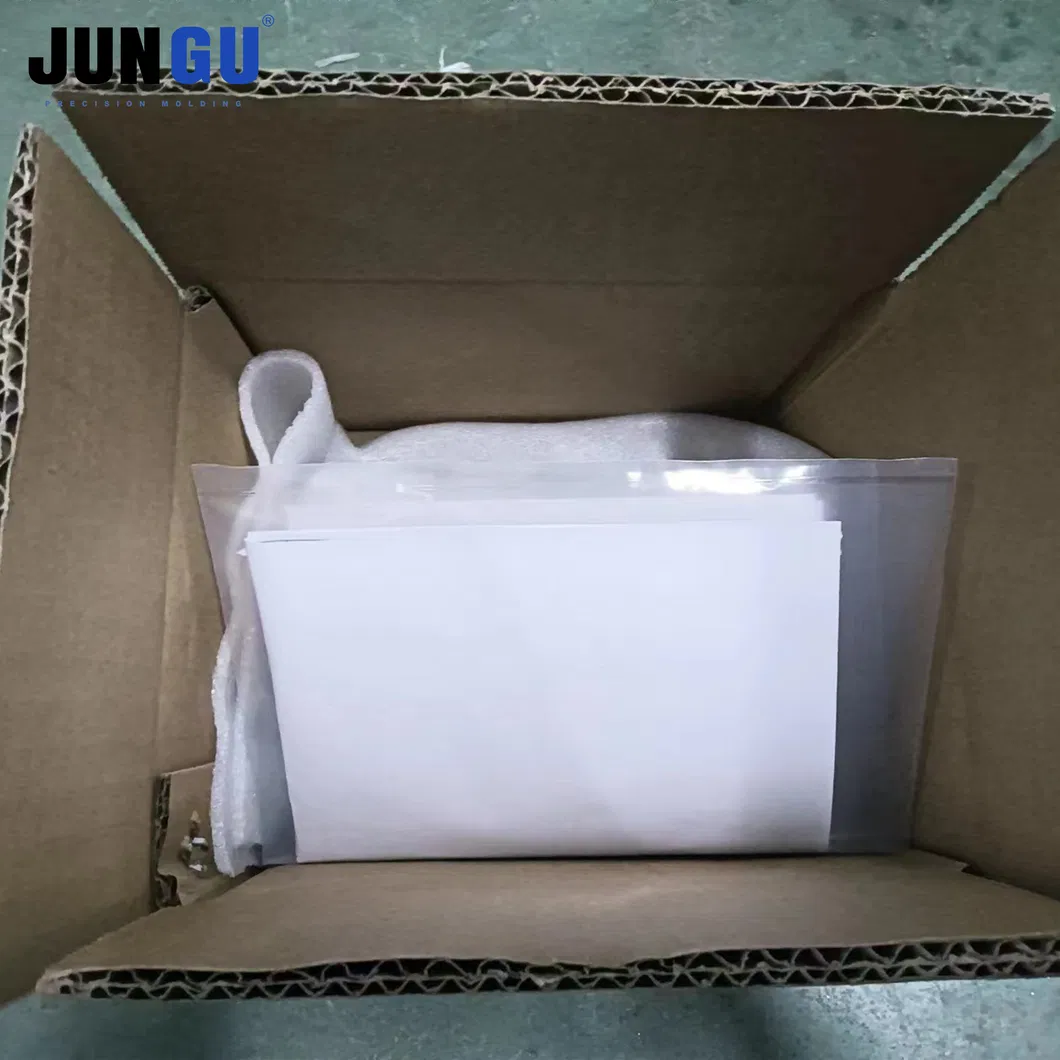
Package 1
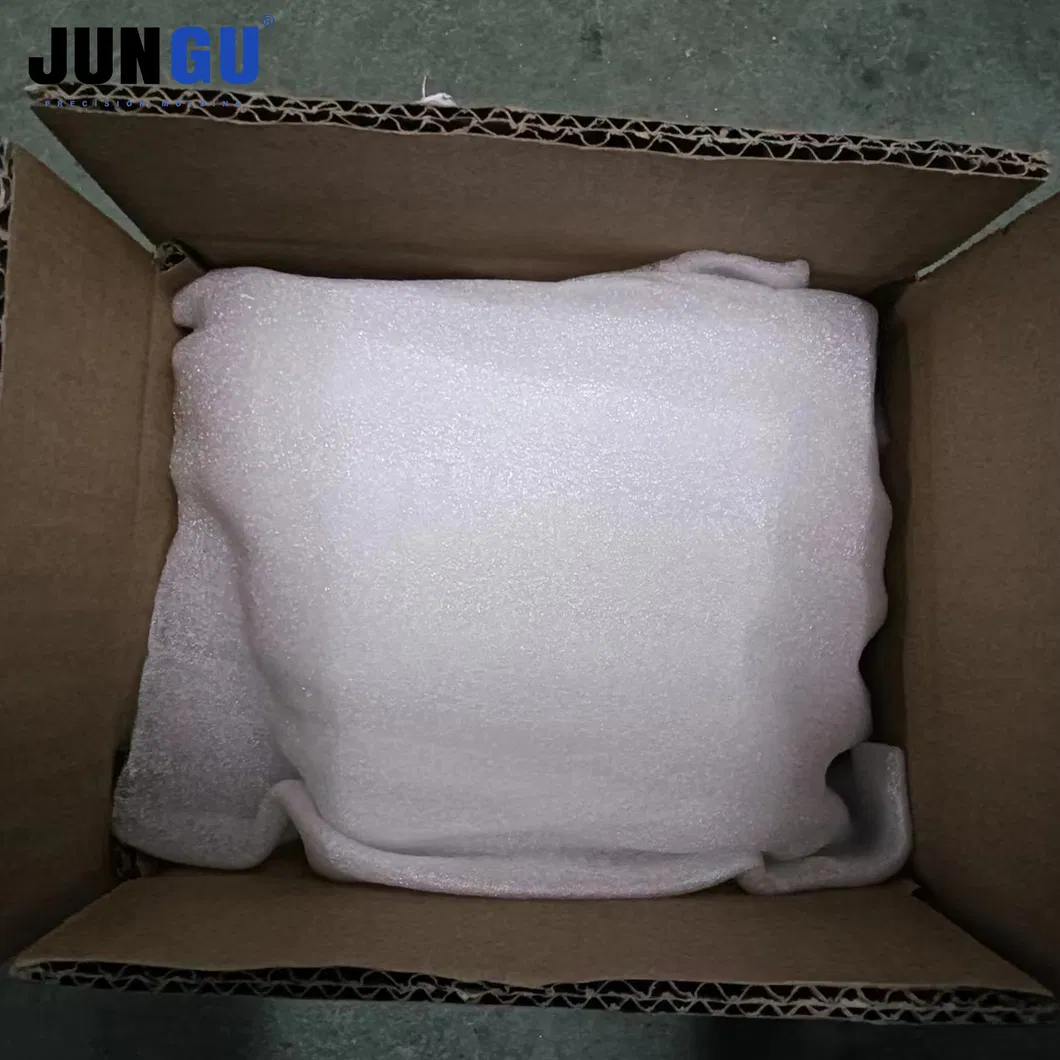
Package 2
Package 3
Frequently Asked Questions
Are you a manufacturer or a trade company?
We are a professional manufacturer of fastener moulds with 10 years of experience in this industry.
What is a cold forging die, and how does it function?
A cold forging die is a specialized tool used to shape metal at room temperature through high-pressure deformation. It applies force to a metal blank, causing it to flow into the desired shape without heating.
What materials are typically used to manufacture cold forging dies?
Cold forging dies are typically made from high-grade tool steels like H13 or SKD61, or tungsten carbide, chosen for their exceptional hardness and wear resistance.
What are the main advantages of using cold forging dies?
Advantages include high-strength components, cost-effective mass production, superior surface finish, and reduced energy consumption compared to hot forging.
What technical advantages do you offer?
We offer professional mould simulation design, high-precision manufacturing stability, and optimization capabilities for continuous improvement of mould life.
Is it acceptable to visit the factory?
You are welcome to visit our production facility. The location has very convenient transportation access for international clients.

Related Products