Frequently Asked Questions
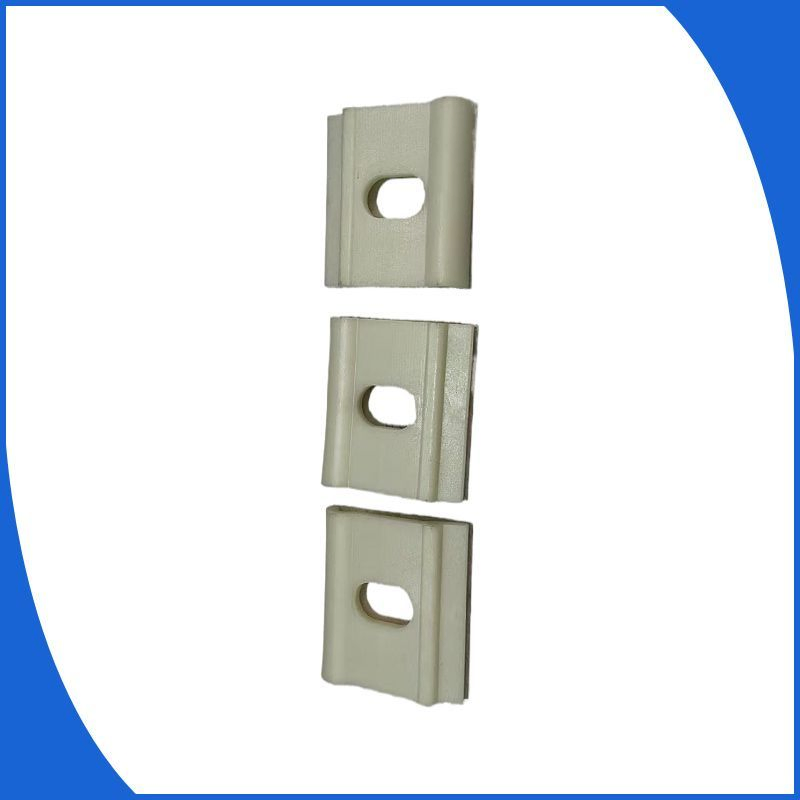
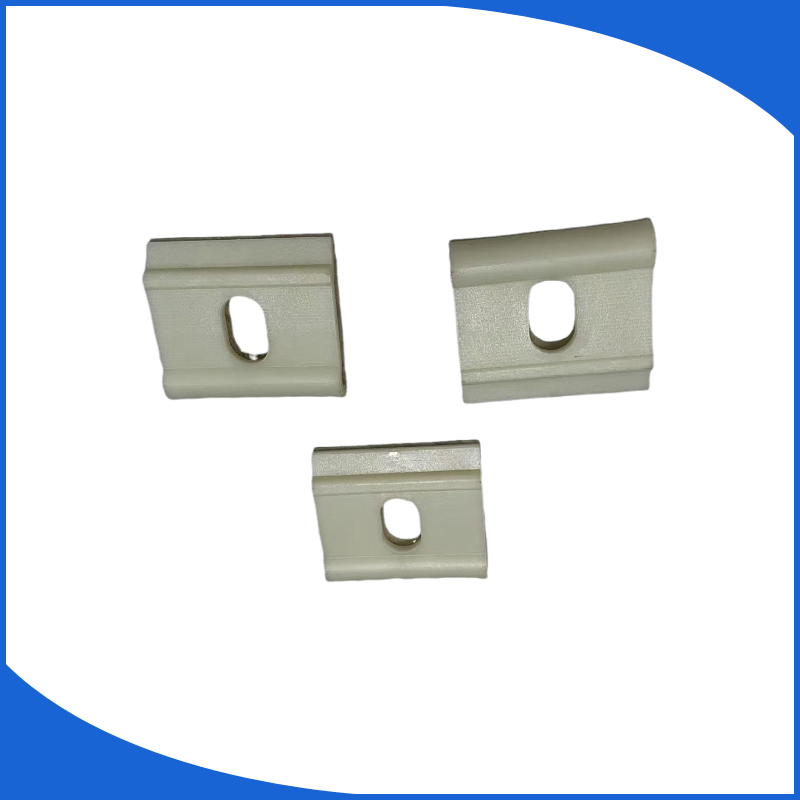
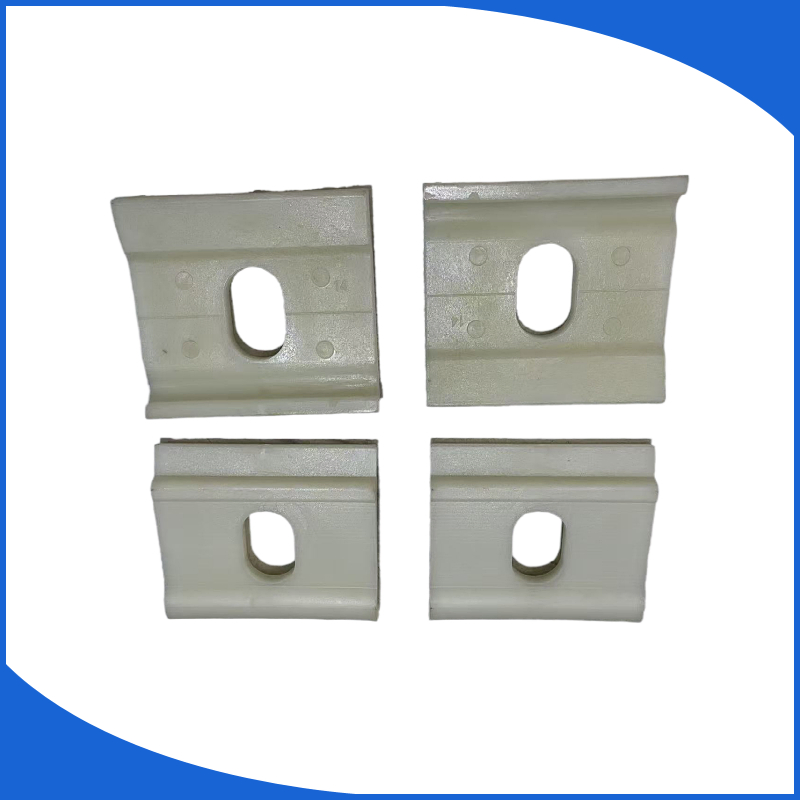
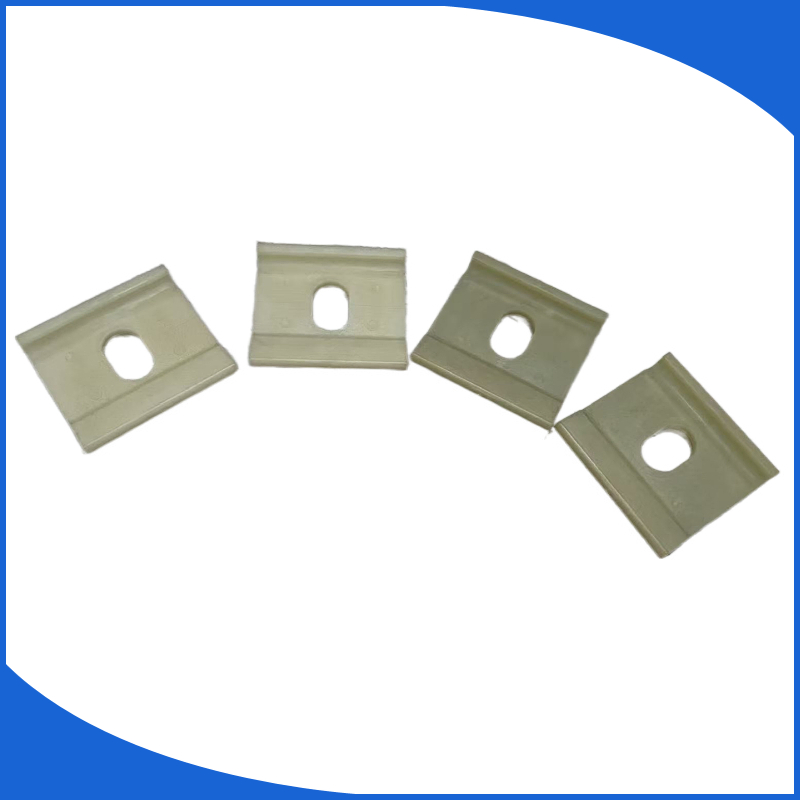
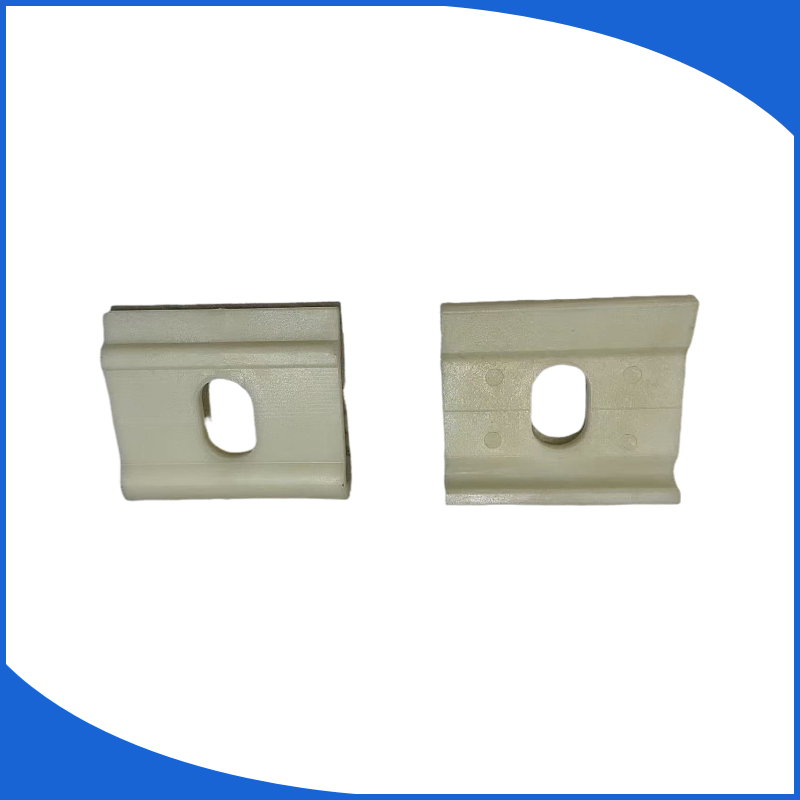
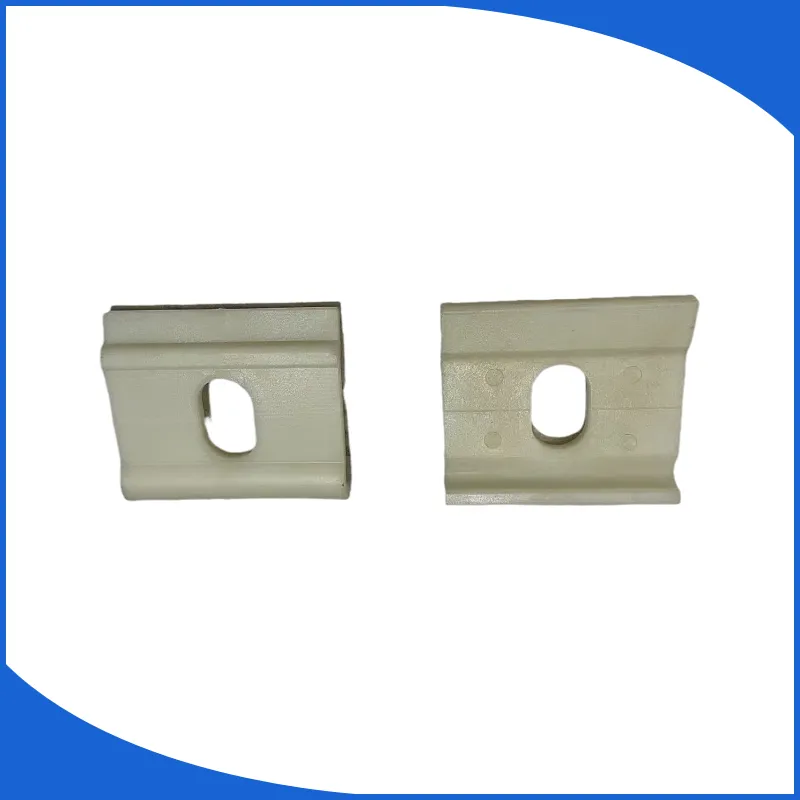
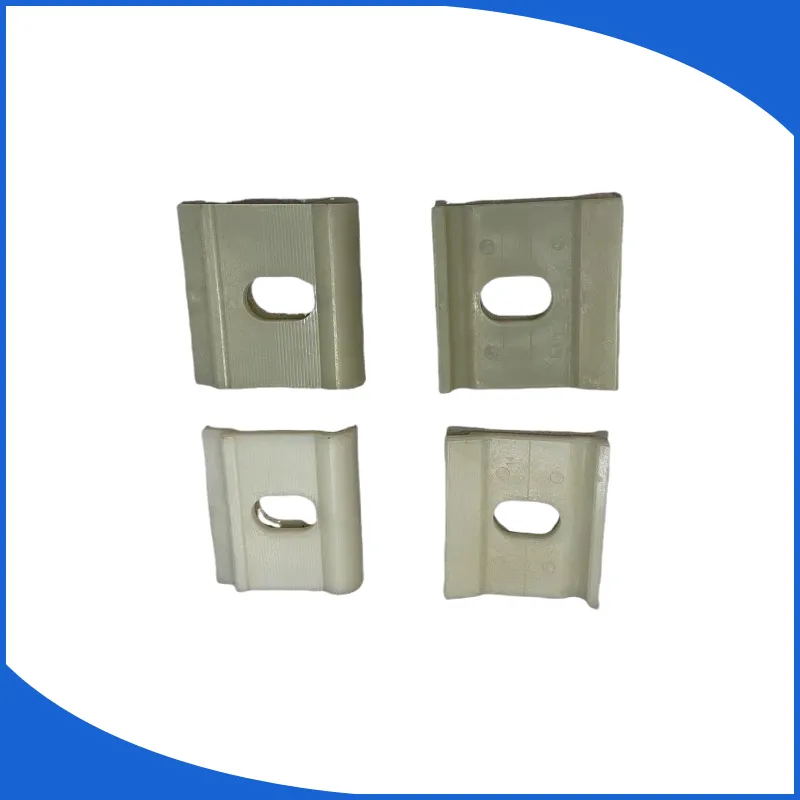
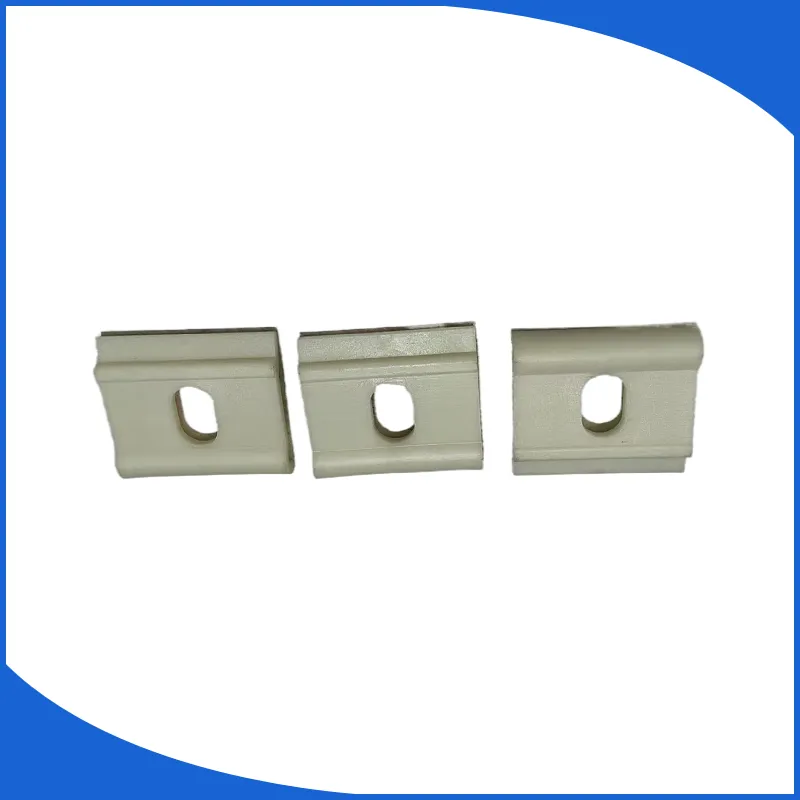
What are the primary functions of insulated track fasteners?
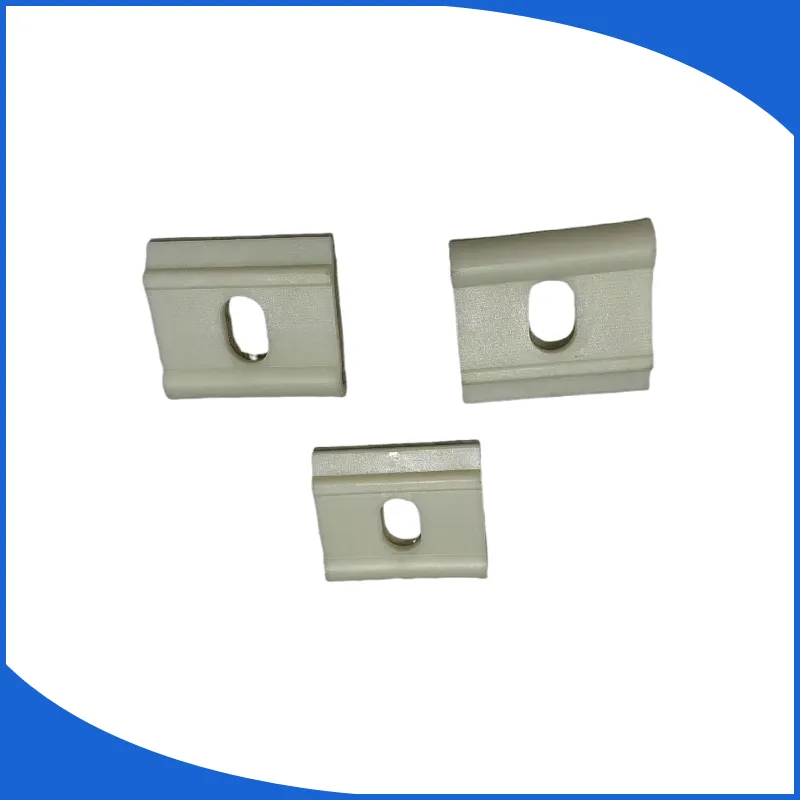
They serve three main purposes: electrical insulation to prevent signal short circuits, mechanical fixation to maintain track gauge, and anti-corrosion/vibration reduction to protect track components.
Where are these fasteners most commonly used?
They are widely used in electrified railways, urban subways, high-speed ballastless tracks, and complex turnout sections where electrical isolation is critical.
How do they handle extreme environmental conditions?
Our fasteners are designed with specialized insulating materials that resist corrosion in damp, saline-alkali, or coastal environments, ensuring long-term durability.
Can these fasteners help reduce railway noise?
Yes, many designs include elastic cushion layers that buffer the impact of passing trains, effectively reducing wheel-rail noise and vibration.
What materials are typically used for insulation?
Modern fasteners often utilize high-performance, recyclable nylon or advanced composite materials to ensure both insulation performance and environmental sustainability.
Are they compatible with intelligent monitoring systems?
Yes, the latest designs can be integrated with sensors to monitor fastening force and insulation status in real-time, facilitating predictive maintenance.
 VLC Part