VLC Part
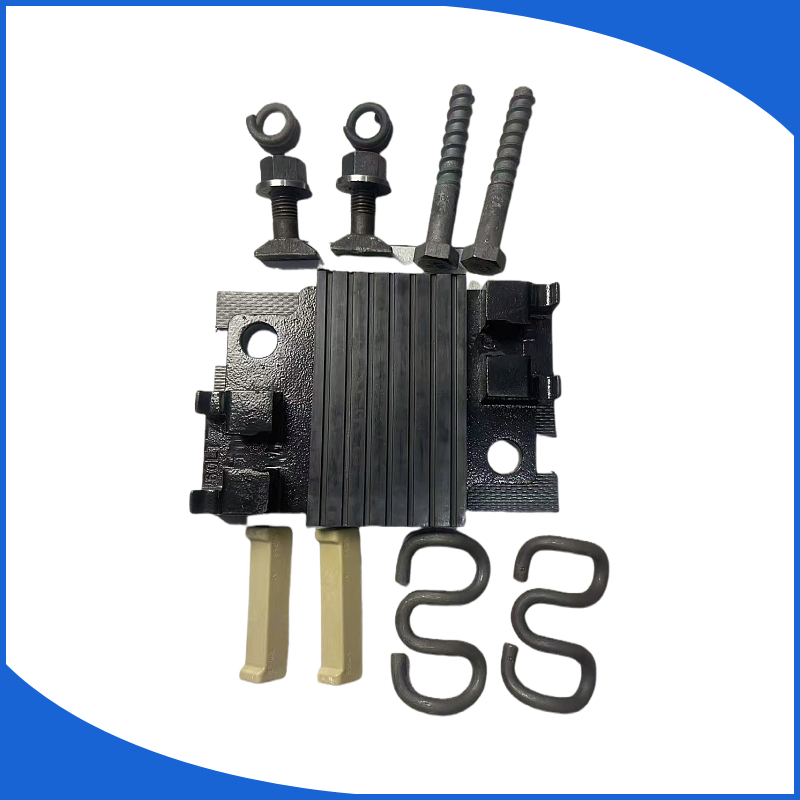
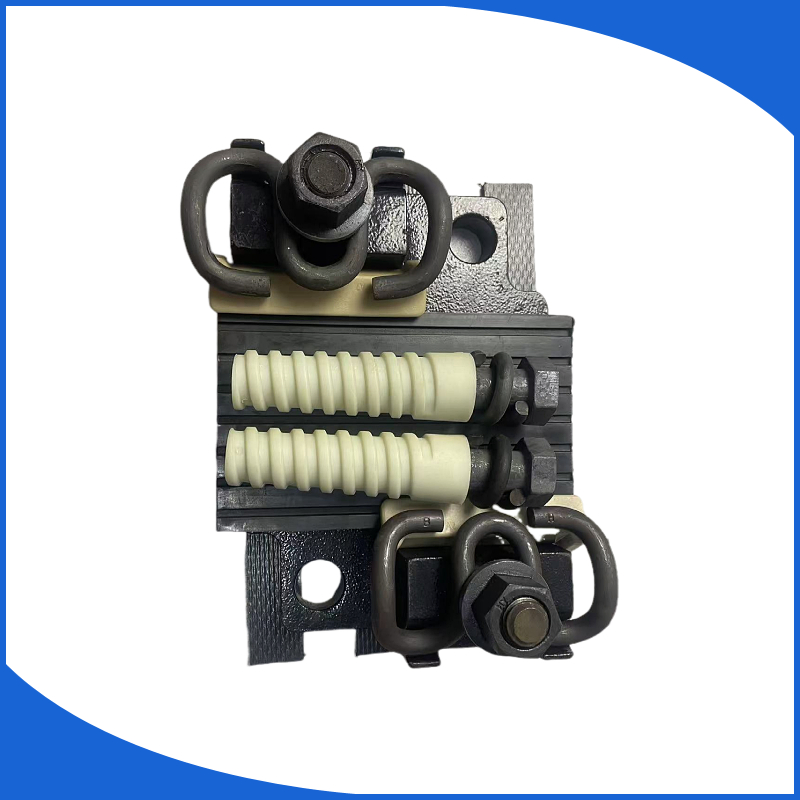
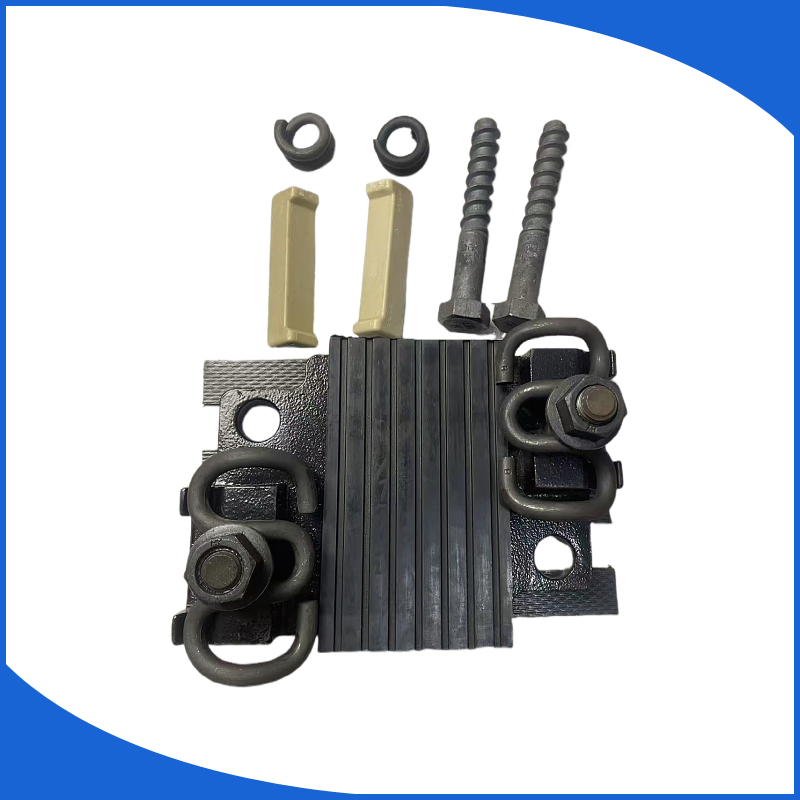
1 / 5

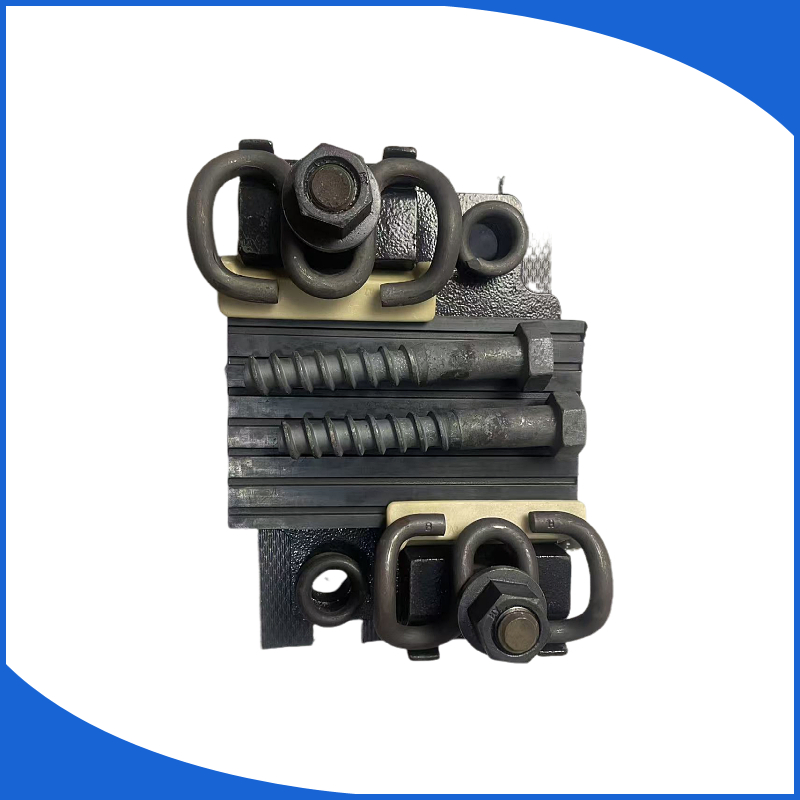
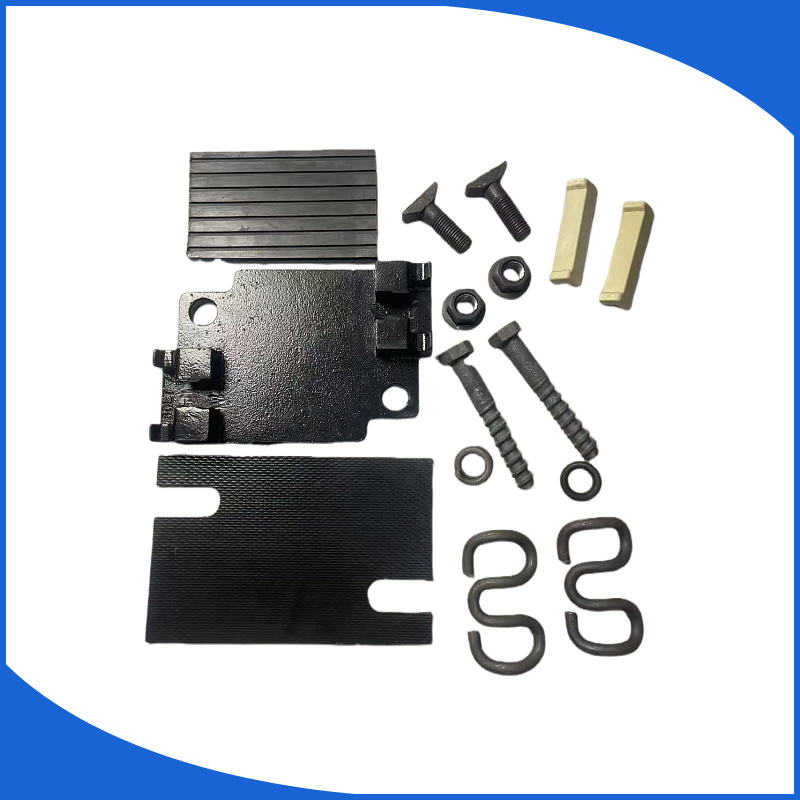
Rail fixation and stability: The bottom of the rail is clamped by elastic bars or bolts to prevent longitudinal crawling or lateral displacement of the rail and maintain the gauge accuracy. Disperse the train load to the sleepers or track plates to reduce the stress concentration in the rails.
Shock absorption and noise reduction: The underrail pad provides buffering, absorbs the impact and vibration of the wheel-rail, and reduces noise. It is applicable to urban rail transit or passenger dedicated lines with high requirements for shock absorption.
Electrical insulation: Insulating gaskets and gauge plates can block the current between rails and are used in electrified railways or signal track circuit sections.
Adjust the geometric position of the track: By adjusting the tightness of the gaskets or bolts, the height, gauge and horizontal direction of the rails can be fine-tuned to meet the requirements of the smoothness of the line.
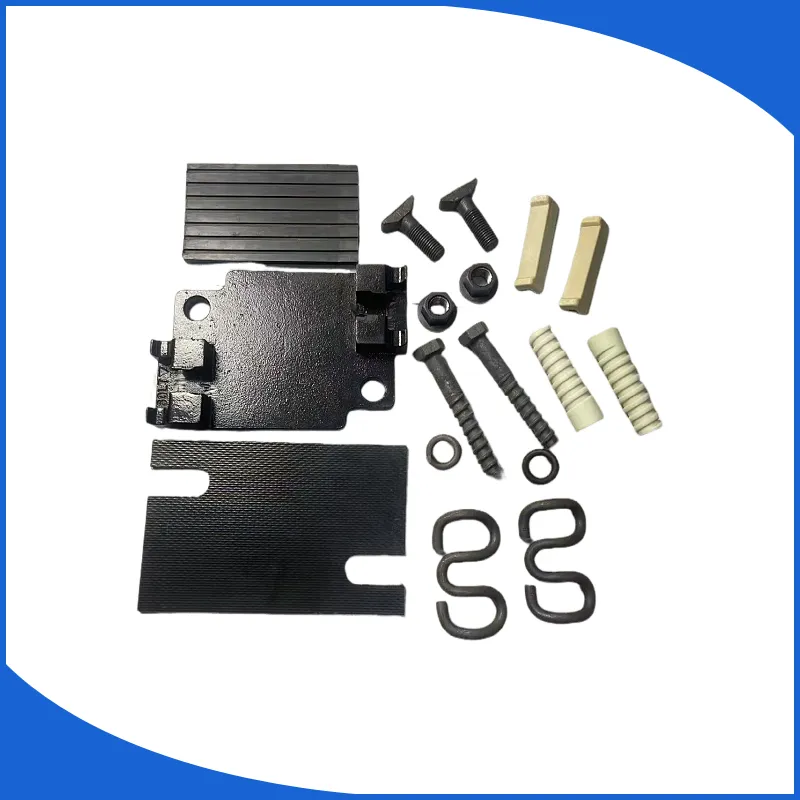
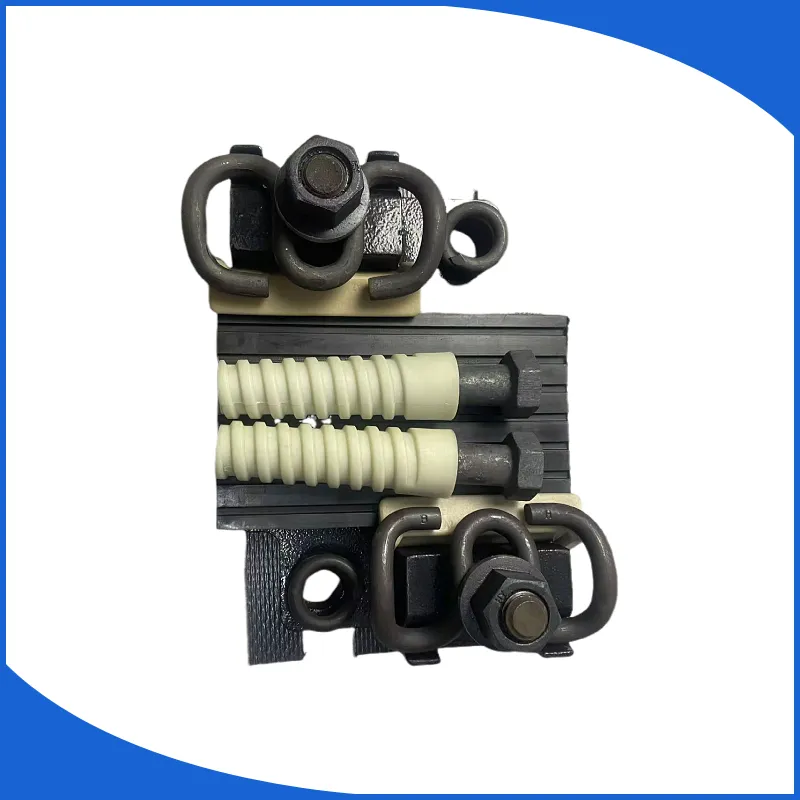
1. Conventional railways: Suitable for existing lines with wooden or concrete sleepers, bearing large axle load trucks.
2. Passenger dedicated lines: Used with concrete ballastless track to enhance ride comfort.
3. Urban rail transit: High demand for shock absorption in tunnels (e.g., metro, light rail).
4. Tunnel or bridge sections: Compact fasteners facilitate maintenance and adjustment in constrained environments.
5. Small-radius curves: Enhances clamping force to prevent rail overturning and maintains gauge stability.
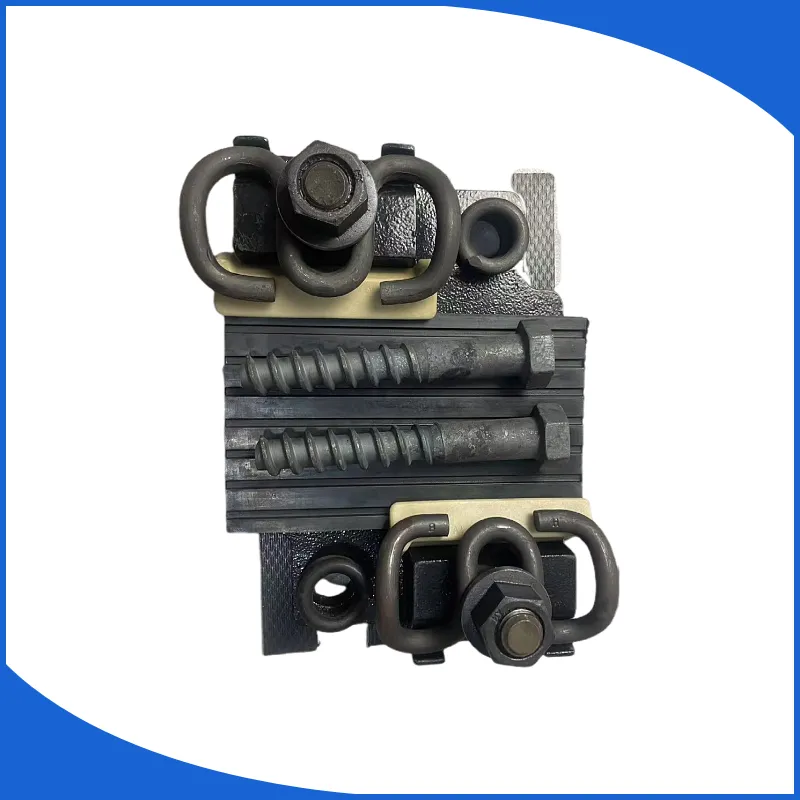
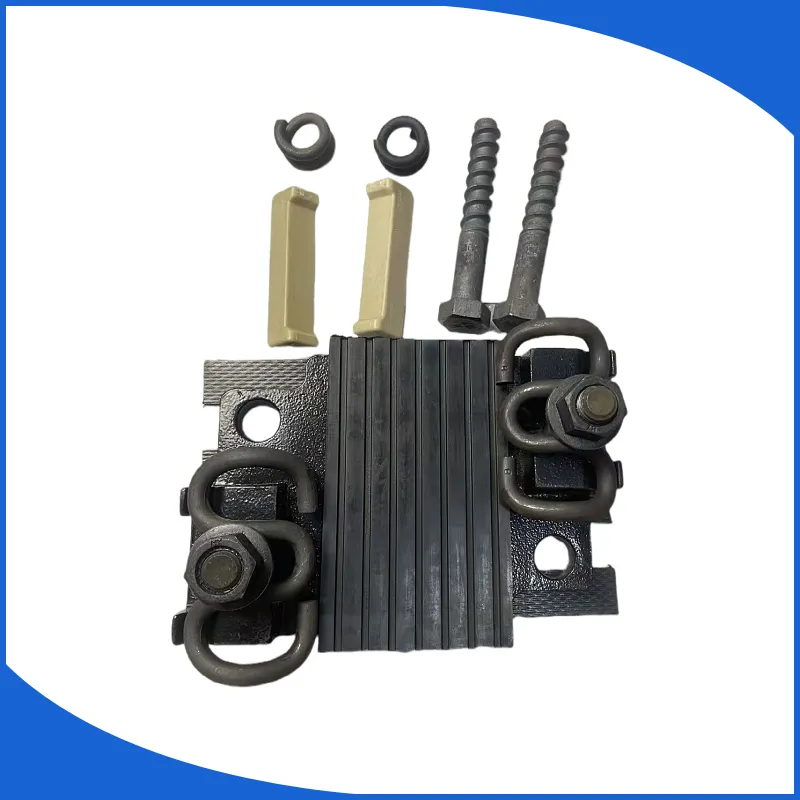
The structure is simple, maintenance is convenient, and damaged parts can be replaced separately. It has good elasticity and its shock absorption performance is superior to that of traditional road stud fasteners.
Type I split fasteners, due to their flexibility and reliability, are widely used in various scenarios ranging from heavy-haul railways to urban rail transit and are an important component of modern rail systems.