Top 10 V Belt Idler Pulley Options for Optimal Performance and Durability
In the world of mechanical power transmission, the
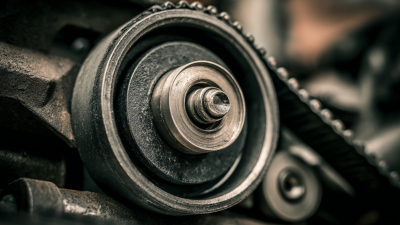
v belt idler pulley plays a critical role in
enhancing the efficiency and longevity of various machinery. According to a recent industry
report by Research and Markets, the global mechanical power transmission market
is projected to grow significantly, driven by the rising demand for energy-efficient systems and
the increasing use of advanced materials in manufacturing. V belt idler pulleys, specifically
designed to reduce slack, maintain belt tension, and improve overall system performance, are
essential components in this growth trajectory.
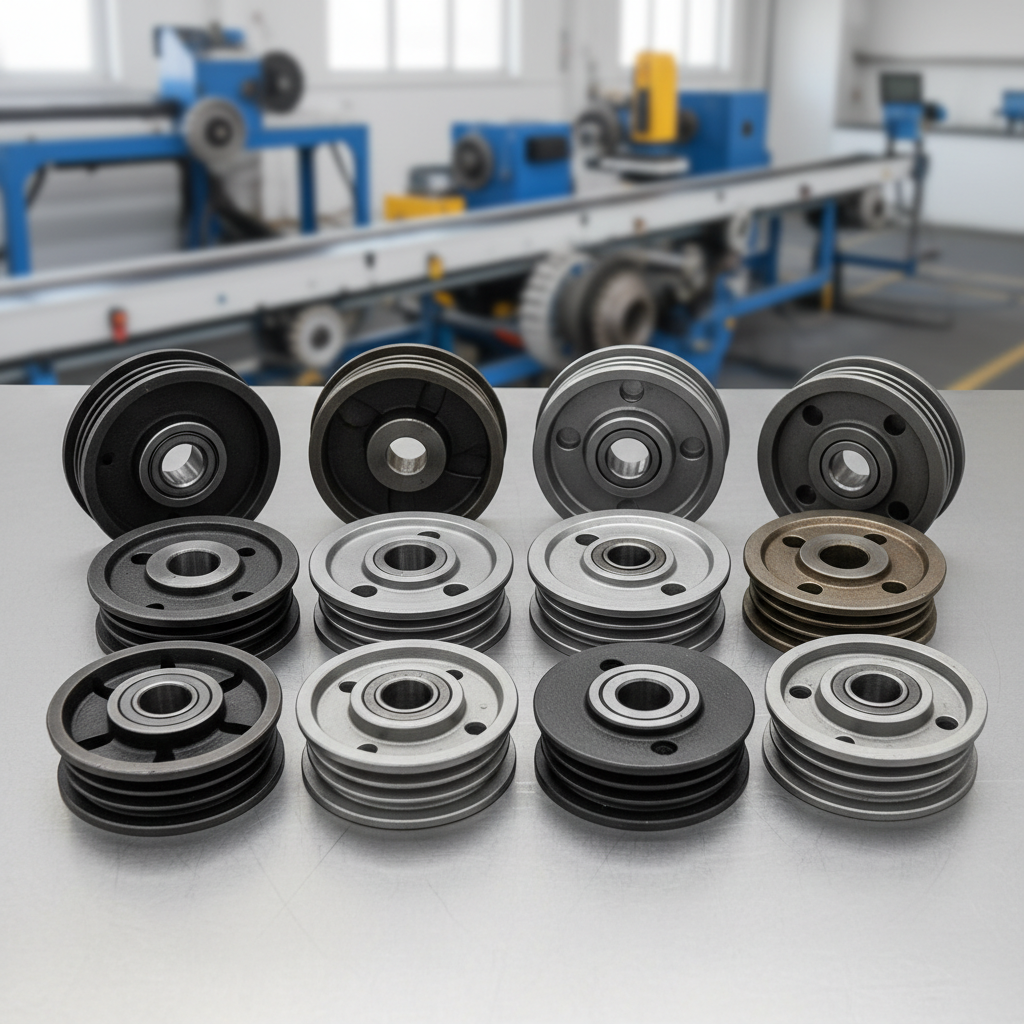
As machinery becomes more complex, the need for reliable and durable v belt idler pulleys has
never been greater. The right selection of idler pulleys can not only enhance
the operational efficiency but also extend the lifespan of the v belts themselves, thereby
minimizing maintenance costs. A study by Deloitte indicates that the proper use
of high-quality idler pulleys can lead to a reduction in downtime by up to 30%, making them a crucial investment for industrial applications.
In this article, we will explore the top 10 v belt idler pulley options that promise
optimal performance and durability, ensuring that your systems run smoothly and efficiently.
By focusing on the best products available, we aim to provide insights that will help engineers
and maintenance professionals make informed decisions in their quest for reliability and
excellence in mechanical systems.
Key Features to Consider When Choosing V Belt Idler Pulleys
When selecting V belt idler pulleys, it's essential to consider several key features that significantly impact performance and durability. One of the primary factors is the material composition of the pulley. Steel and aluminum pulleys are prevalent for their strength and resistance to wear, while composite materials offer a lightweight alternative, reducing overall system weight without compromising performance. According to a report by the Timken Company, using high-quality materials can extend the lifespan of pulleys by up to 50%, significantly reducing replacement costs over time.
Another crucial aspect is the pulley design, specifically groove configuration and alignment. Pulleys designed with precision grooves ensure optimal belt engagement, leading to smoother operation and minimizing slippage. A study published in the Journal of Mechanical Engineering found that misalignment in pulleys can result in efficiency losses of up to 30%, highlighting the importance of accurate installation and alignment. Moreover, features like sealed bearings are essential for providing long-term lubrication and protection against contaminants, further enhancing durability, as indicated in research by the American Society of Mechanical Engineers (ASME).
Top 5 High-Performance V Belt Idler Pulleys for Industrial Use
When it comes to optimizing machinery performance, selecting the right V belt idler pulleys is crucial for industrial applications. According to a report by MarketsandMarkets, the global idler pulley market is projected to grow at a CAGR of 5.4% from 2021 to 2026, driven by advancements in manufacturing processes and increasing demand for energy-efficient machinery. High-performance V belt idler pulleys are essential for minimizing energy losses and maximizing the longevity of industrial systems.
The ideal high-performance V belt idler pulleys designed for industrial use typically feature enhanced materials such as reinforced thermoplastics or high-grade steel. A study conducted by the Institute of Mechanical Engineers highlights that using such materials can improve the load-bearing capability by up to 30%, ensuring greater durability in heavy-duty applications.
Notably, brands such as Gates, Dayco, and SKF have been cited for their innovative designs that offer superior vibration dampening and resistance to wear, which are critical for maintaining operational efficiency in high-stress environments.
Durability Comparison: Materials and Construction of Idler Pulleys

When evaluating idler pulleys for durability and performance, the materials and construction of these components are paramount. Idler pulleys are typically made from metals like steel or aluminum and composites such as plastic or reinforced materials. According to the "Mechanical Components Assessment Report," steel pulleys generally exhibit superior tensile strength and resistance to wear under high tensile loads, making them ideal for heavy-duty applications. In contrast, lightweight plastic pulleys have been found to reduce rotational inertia but may compromise durability in demanding environments, particularly when exposed to harsh chemicals.
In addition to material selection, the construction method significantly influences the longevity of idler pulleys. For instance, a study published in the "Journal of Mechanical Design" highlights that pulleys manufactured using precision machining often deliver better dimensional accuracy and improved surface finish, leading to enhanced performance and lifespan. Pulleys that incorporate sealed bearings further contribute to longevity by minimizing contamination and reducing friction, which, as reported by the "Industrial Engineering Review," can extend the operational life by up to 30% compared to those with unsealed bearings. Understanding these factors can help engineers and maintenance personnel choose the optimal idler pulleys for their specific applications.
User Reviews and Feedback on Leading V Belt Idler Pulleys
When it comes to selecting the best V belt idler pulleys, user reviews and feedback play a crucial role in guiding potential buyers. Many users emphasize the importance of durability and performance under varying load conditions. Feedback often highlights how well these pulleys withstand wear and tear, especially in heavy-duty applications.
For instance, brands that incorporate high-quality materials, such as reinforced plastics or robust metals, frequently receive praise for their longevity and reliability. Users report fewer instances of premature wear, which translates to lower maintenance costs over time.
Moreover, performance-related feedback is equally important. Users appreciate idler pulleys that reduce noise and vibration, contributing to a smoother operation of their machinery. Reviews often cite noticeable improvements in overall system efficiency, particularly when the right pulley size and type are matched with the intended application.
Many recommend seeking out products with positive reviews for ease of installation and compatibility with various V belt systems, ensuring that your choice not only meets performance benchmarks but also simplifies the maintenance process.
Maintenance Tips for Maximizing the Lifespan of Idler Pulleys
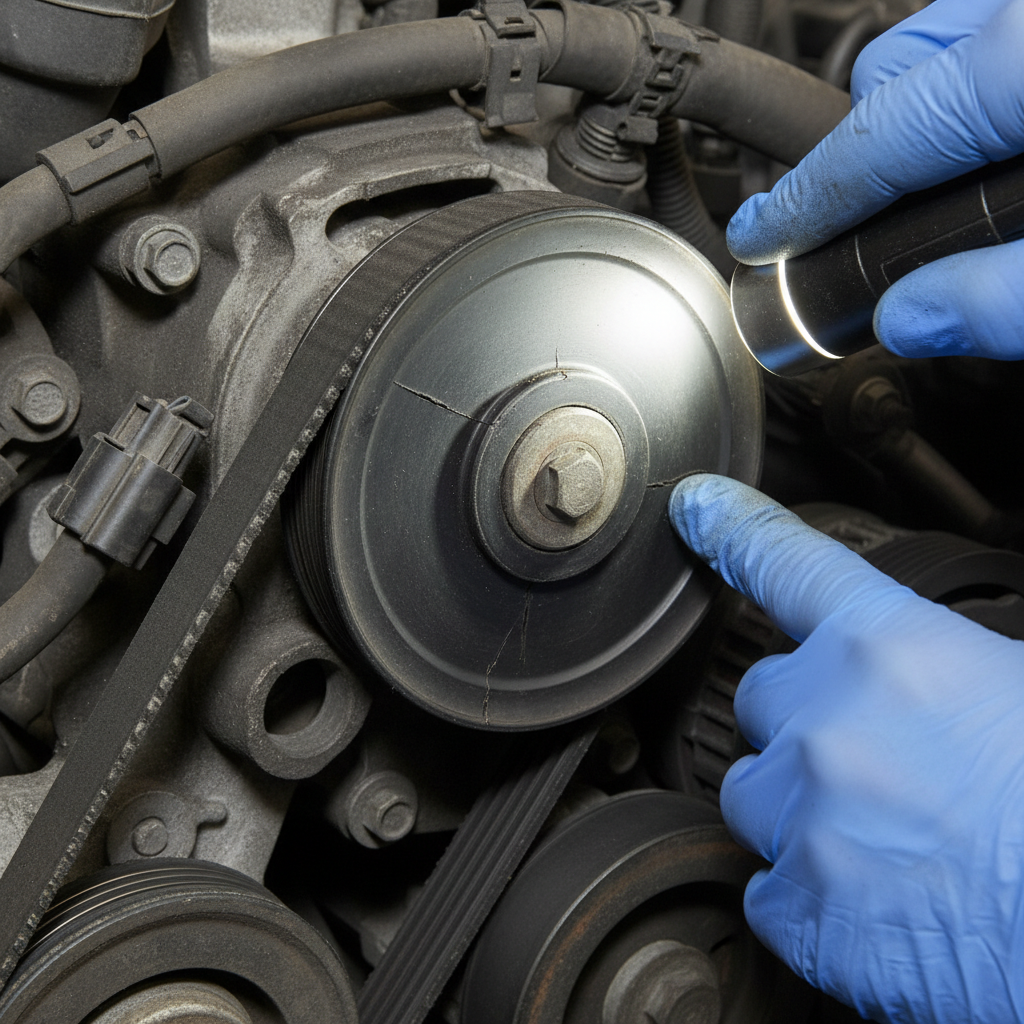
When it comes to maintaining idler pulleys for optimal performance and longevity, regular upkeep is essential. One of the key tips is to inspect the idler pulleys frequently for signs of wear or damage. Look for cracks, unusual wear patterns, or any dust accumulation that could indicate misalignment. By catching these issues early, you can prevent catastrophic failures that could lead to costly repairs.
Another important aspect of maintenance is lubrication. Ensure that the bearings are adequately lubricated according to the manufacturer's specifications. Too much or too little lubricant can compromise performance and increase wear. Additionally, clean the pulley surfaces regularly to minimize friction and debris build-up, which can lead to premature wear.
Finally, ensure that the tension on the belt is appropriately adjusted. Overly tight belts can strain the idler pulleys, while too loose belts can cause slipping. Regularly check and adjust the tension to keep the belt operating within the recommended limits, ensuring your idler pulleys perform efficiently and have a longer lifespan.