What Are the Top Roller Bearings Types for 2026?
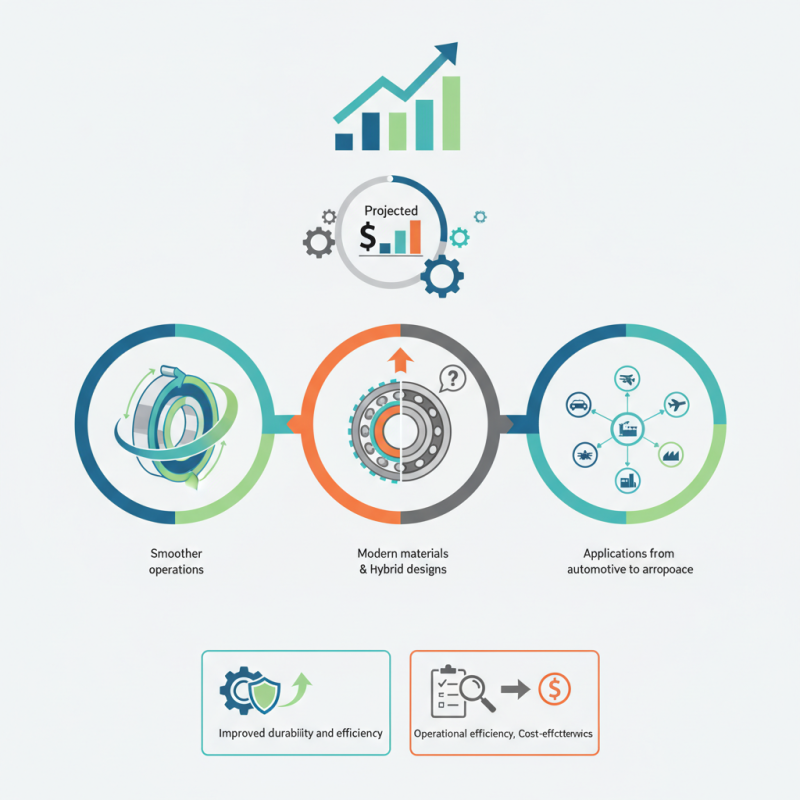
In the ever-evolving industry of mechanical components, roller bearings stand out as crucial components. According to a report by Fortune Business Insights, the global bearing market is projected to reach $131.0 billion by 2026, with roller bearings playing a significant role in this growth. These components are essential for reducing friction in machinery. They enable smoother operations in various applications, from automotive to aerospace.
However, the industry faces challenges. Many manufacturers struggle to adapt to new materials and designs that enhance performance. The introduction of hybrid roller bearings, for instance, has opened up avenues for improved durability and efficiency. Yet, half of the engineering firms still rely on outdated technologies. This leads to questions about innovation and progress within the sector.
As we look toward 2026, understanding the top types of roller bearings becomes essential. It's vital to explore their applications and advantages. This will aid companies in making informed decisions. The right choice in roller bearings can significantly impact operational efficiency and cost-effectiveness.
Overview of Roller Bearings and Their Importance in Industry
Roller bearings play a crucial role in various industries. They allow machines to operate smoothly and efficiently. With less friction, these components enhance performance and longevity. In heavy machinery, for instance, roller bearings support high loads. They help reduce wear on moving parts, making maintenance easier.
Choosing the right type of roller bearing can be challenging. Each type serves specific applications, and misapplication can lead to failures. Cylindrical, spherical, and tapered roller bearings are common choices. Each has unique advantages but also limitations. Some may not withstand high speeds effectively. Others might struggle under heavy loads.
It's vital to consider material selection. Bearings must withstand harsh environments. Corrosion resistance can be a significant factor in many industries. However, evaluating the cost vs. longevity often raises questions. Are the right types being used? Are there better alternatives? This reflection can lead to improved reliability in operations.
Top Roller Bearings Types for 2026
Key Roller Bearing Types: An In-Depth Look for 2026
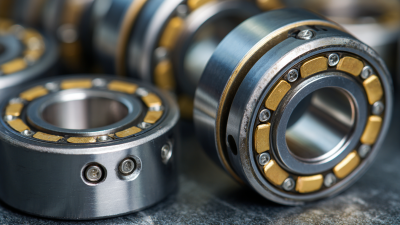
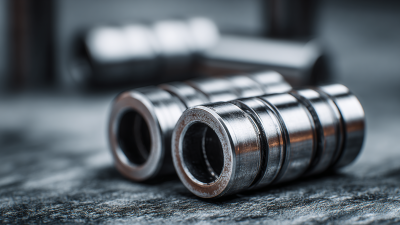
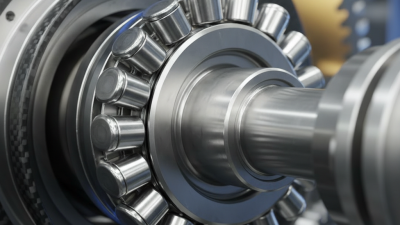
In 2026, roller bearings will continue to evolve. Different types will play significant roles in various applications. Cylindrical roller bearings are known for their high radial load capacity. They perform well in heavy machinery and vehicles. Their design allows for consistent motion and reliability under demanding conditions.
Spherical roller bearings will also be prominent. Their self-aligning features accommodate misalignments. This capability can reduce wear and extend service life. Yet, maintaining them could be challenging. Over time, lubrication may become insufficient. Regular checks are necessary to ensure optimal performance.
Tapered roller bearings provide versatility. They handle both radial and axial loads effectively. These bearings are crucial in automotive and industrial applications. However, installation requires precision. A small error can lead to premature failure. Understanding the various types is essential for choosing the right fit.
Comparative Analysis of Conventional vs. Advanced Roller Bearings
When comparing conventional and advanced roller bearings, several key factors emerge. Conventional roller bearings have a long-established history. They often excel in traditional applications. Their design is simple and well-understood. However, advancements in materials and engineering have led to significant innovations.
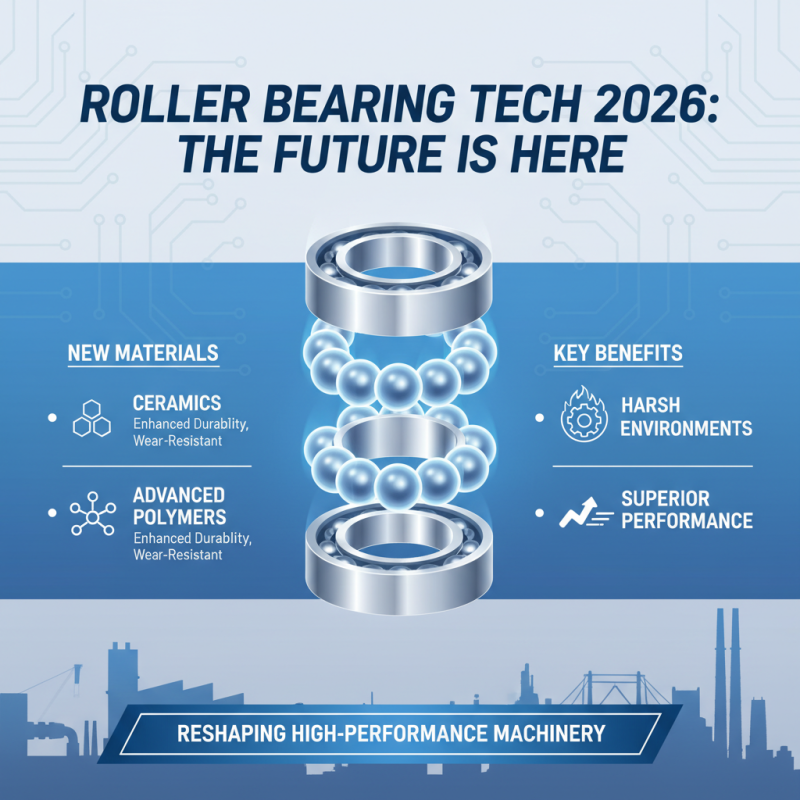
Advanced roller bearings utilize modern materials like ceramics and polymers. These materials offer enhanced performance. For instance, the use of hybrid designs can reduce weight and friction. Reports indicate that advanced bearings can last up to 50% longer than conventional types under similar loads. This data hints at the growing preference for advanced solutions in demanding environments.
Despite these benefits, challenges remain. Advanced roller bearings can be more sensitive to installation errors. Their higher initial cost may also deter some users. Understanding the differences in performance, durability, and cost is key. As industries evolve and demand increases, the debate between conventional and advanced roller bearings continues.
Emerging Trends in Roller Bearing Technology for Future Applications
In 2026, roller bearing technology will likely undergo significant advancements. New materials are emerging, offering enhanced durability and performance. For instance, ceramic and advanced polymers are gaining traction. These materials resist wear and can withstand harsher environments. This trend could reshape industries relying on high-performance machinery.
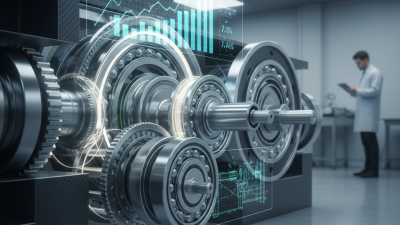
Another notable trend is the integration of smart technologies. Sensors embedded in roller bearings will monitor conditions in real time. Predictive maintenance will help prevent failures, reducing downtime. This approach can save costs and improve reliability. However, implementing smart technology requires careful planning and investment.
Lastly, sustainability is becoming a priority. Manufacturers are focusing on eco-friendly practices. Using recyclable materials is one way to address this issue. Yet, the move toward sustainability comes with challenges. Balancing performance and environmental impact is not straightforward. As the industry evolves, these reflections will guide future innovations in roller bearing technology.
Factors Influencing Roller Bearing Selection in 2026 and Beyond
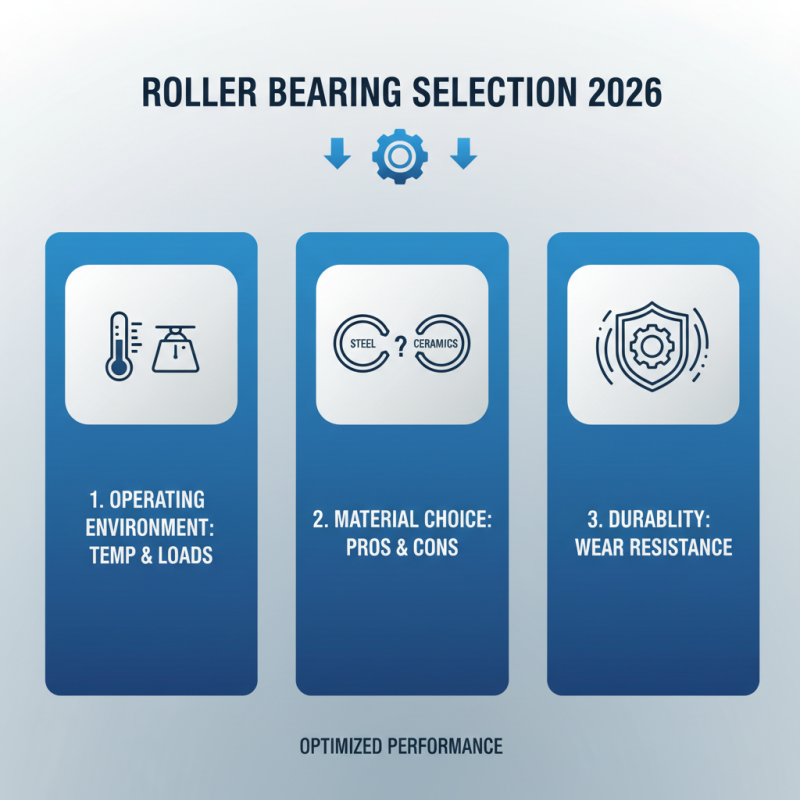
When selecting roller bearings for 2026, several factors come into play. First, the operating environment matters. High temperatures and heavy loads require specific materials. Should manufacturers opt for steel or ceramics? Each has pros and cons. Environmental conditions can lead to wear, making durability a critical consideration.
Another key factor is noise and vibration levels. Many businesses aim for quiet operations. Bearings designed for minimal noise can enhance the overall experience. However, these designs often come with higher costs. It's a balancing act that requires careful thought.
Lastly, the availability of space influences selection. Compact designs may be necessary in tight spaces. Yet, they might compromise load capacity. Finding that perfect compromise takes time and reflection. Roller bearings play a vital role in various industries. Therefore, manufacturers must approach their selection with diligence and foresight.