What is a Shale Shaker Screen and How Does It Work?
In the world of drilling, the "shale shaker screen" plays a vital role in separating drilling fluid from solid particles. According to Dr. Emily Carter, a renowned expert in drilling technologies, "The effectiveness of a shale shaker screen can dictate the success of the drilling operation." This highlights the importance of understanding how these screens function.
A shale shaker screen typically consists of a series of perforated or mesh panels. Fluid flows through these screens, while larger solids are trapped. This process enhances drilling efficiency. Yet, factors like screen wear and clogging are common issues. Operators must monitor the performance closely.
Moreover, not all shale shaker screens are created equal. Each screen must be matched to specific drilling conditions. The choice of screen impacts not only productivity but also cost. These considerations often lead to debates and reflections on best practices within the industry. Such discussions are crucial for improving operations and outcomes.
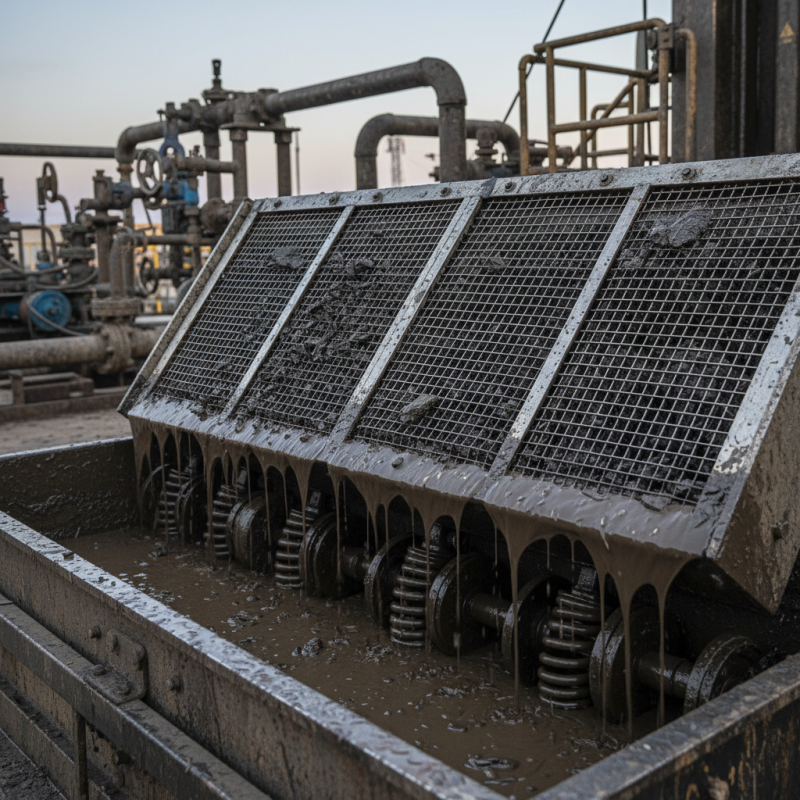
Definition of Shale Shaker Screen and Its Purpose
A shale shaker screen is a vital component in the drilling industry. It is used to separate unwanted solids from drilling fluid. This process is essential to maintain the efficiency of drilling operations. The quality of the drilling fluid affects the overall performance and safety of drilling activities.
Shale shaker screens come in various designs and mesh sizes. They are made to suit different drilling conditions. The right screen ensures optimal separation, which helps reduce costs related to fluid disposal and equipment wear. However, choosing the appropriate screen can be challenging. Factors like particle size and viscosity of the fluid must be considered. Sometimes, drilling teams might overlook these details, leading to inefficiencies.
The purpose of a shale shaker screen extends beyond mere filtration. It plays a crucial role in protecting downstream equipment. A well-functioning screen minimizes the risk of clogs and damage to pumps and other machinery. Yet, the screens are not immune to wear and tear. Regular maintenance and inspection are necessary. Failing to do so can lead to unexpected downtime. This aspect often goes unnoticed until the problem escalates.
Types of Shale Shaker Screens and Their Applications
Shale shaker screens are critical in various applications within the oil and gas industry. They help separate solids from drilling fluids. Understanding the types of screens is essential for optimizing drilling operations.
Several types of shale shaker screens exist. The flat screens are among the most common. They provide a large filtration area. This type is effective for standard drilling conditions. Then there are shaped screens. These have a 3D design, improving fluid flow. Such screens work efficiently in high-volume applications.
Moreover, there are fine mesh screens. They capture smaller particles. These are useful in more complex drilling environments. However, they can clog easily. Regular maintenance becomes necessary. Users should also be aware of the wear and tear. Without proper care, screen performance may decline.
What is a Shale Shaker Screen and How Does It Work? - Types of Shale Shaker Screens and Their Applications
| Screen Type | Mesh Size (Microns) | Application | Material | Typical Use Case |
| Wire Mesh Screen | 200 - 400 | General Purpose | Stainless Steel | Drilling fluids separation |
| Composite Screen | 150 - 300 | High Capacity | Polymer and Steel | Heavy-duty applications |
| Hook Strip Screen | 120 - 280 | High Vibration | Steel Wire | Oil and Gas drilling |
| Perforated Plate Screen | 300 - 600 | Fine Particle Separation | Metal Alloy | Fine sand and silt removal |
| Shaker Screen with Mud Cleaner | 100 - 200 | Mud Cleaning | Composite Materials | Used in mud recycling systems |
Principle of Operation: How Shale Shaker Screens Function
Shale shaker screens are essential in drilling operations. They separate drilling fluid from rock cuttings. This process reduces waste and enhances efficiency. Typically, these screens feature multiple layers of mesh with varying openings. Such designs maximize particle separation. Industry reports indicate an efficiency increase of up to 30% when using the right screens.
The principle of operation revolves around vibration. A shale shaker uses vibrations to shake off cuttings. As fluid passes through the screen, smaller particles fall away. However, larger particles remain on the surface. This simple yet effective mechanism faces challenges. Sometimes, screens clog due to excessive debris. Regular maintenance is a must to avoid this issue.
In practice, shale shakers must adapt to diverse drilling conditions. Fluid viscosity affects performance. According to a recent study, improper screen selection can lead to a 15% drop in drilling efficiency. The right balance between screen size and fluid properties is vital. Observations show that operators often overlook this connection. Addressing these factors can significantly impact productivity.
Factors Influencing Shale Shaker Screen Performance
Shale shaker screens play a crucial role in the drilling process by separating solids from drilling fluids. Their performance directly affects the effectiveness of drilling operations. Several factors influence how well these screens operate.
One key factor is the mesh size. A finer mesh captures smaller particles but may lead to restricted fluid flow. According to industry reports, optimal mesh sizes range from 60 to 200 mesh, depending on drilling conditions. If the mesh is too fine, it can cause mud weights to fluctuate. This can affect overall drilling efficiency and costs.
Another important aspect is the screen's material. High-quality materials improve durability and resistance to wear. A common rule of thumb suggests that screens made of composite materials can last up to 25% longer than traditional steel options. However, thicker screens may lead to increased weight and installation challenges.
Tips: Monitor the wear on screens regularly. Early signs of damage can lead to costly downtime. Also, consider the environmental conditions. Hot or cold temperatures may influence the screen's overall performance. Regular assessments help ensure optimal functioning.
Always evaluate the balance between mesh size and fluid dynamics. This helps avoid the common pitfall of screen overloading. Suboptimal choices can cause significant delays in the drilling process, leading to inflated project budgets.
Maintenance and Common Issues with Shale Shaker Screens
Shale shaker screens play a crucial role in the oil and gas industry. They separate drilling fluid from cuttings, ensuring a smooth workflow. However, like any equipment, they require proper maintenance. Regular inspections can prevent major issues down the line. It’s easy to overlook small tears or clogs. These can lead to inefficiencies.
Common problems arise from wear and tear. Over time, materials degrade under constant use. It’s not uncommon to see reduced performance if the screens are not replaced as needed. Operators must be vigilant for signs of damage. Even a minor issue can result in costly downtime.
Regular cleaning is also essential to maintain optimal function. Neglecting this step can lead to more significant complications. Users often report frustration with screen failures. Misalignment or incorrect installation can lead to significant problems.
Training personnel on proper installation can help. It’s a reminder that attention to detail matters. Overlooking these small details can result in bigger headaches. Proper care and regular checks will enhance the lifespan of shale shaker screens.

