How to Select Long-lasting Fasteners for Industrial Uses?

Time:2026-04-16 Author:Sienna
0%

Selecting the right fasteners is crucial for any industrial project. Many overlook the importance of choosing durable fasteners. They might focus solely on cost or availability. However, this approach can lead to failures and costly downtime. It’s vital to understand how to choose durable fasteners for industrial applications.

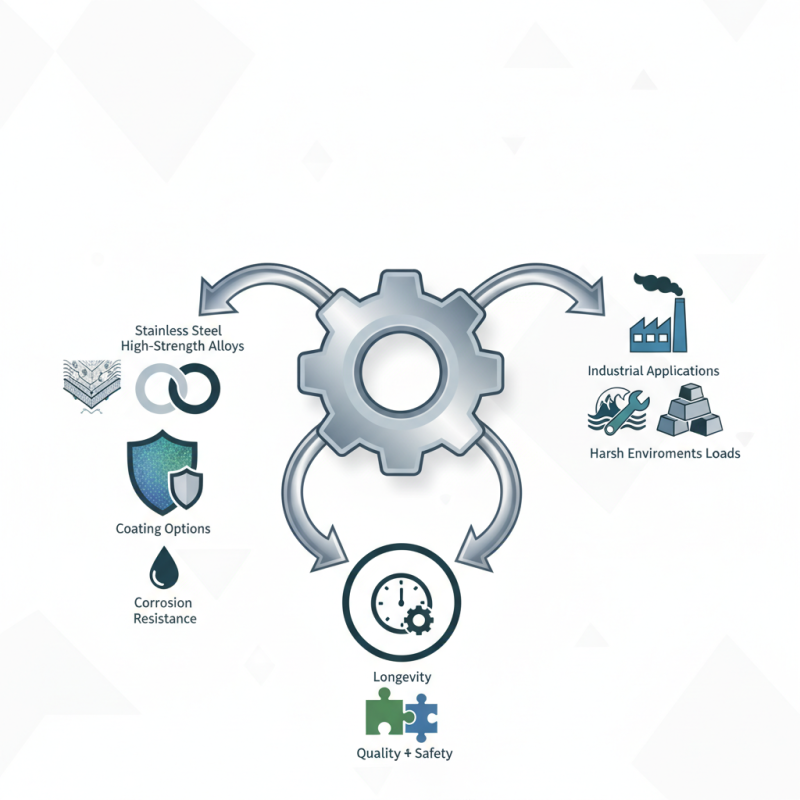
Durability ensures that fasteners can withstand harsh environments and heavy loads. Materials like stainless steel or high-strength alloys often provide the longevity needed. Additionally, coating options can enhance resistance to corrosion. Consider the specific requirements of your application. Each industry has unique challenges and standards. Ignoring these can lead to serious issues down the line.

Investing time in selecting the proper fasteners is worthwhile. It reflects a commitment to quality and safety. Failure to do so could mean more than just repair costs; it could risk worker safety. In the end, careful consideration pays off. Opting for durable fasteners can significantly improve operational efficiency. Embracing this knowledge is essential for every industrial professional.
How to Select Long-lasting Fasteners for Industrial Uses?

Understanding the Different Types of Fasteners for Industrial Applications

When choosing fasteners for industrial applications, understanding their types is crucial. Common fasteners include bolts, screws, nuts, and rivets. Each type serves unique roles and comes in various materials, affecting strength and durability.

Bolts are often used in heavy-duty applications. They provide a reliable connection under high tension. Screws can suit lighter applications, offering ease of installation but potentially less strength. Rivets, on the other hand, create permanent joins. Selecting the right one depends on specific needs.

Tips: Always consider the environment where the fastener will be used. Factors like temperature, exposure to chemicals, and moisture can impact durability. Stainless steel fasteners resist corrosion but may not be ideal for every application. Additionally, custom fasteners might offer better solutions if standard options don't meet your project's demands. Always verify the specifications before making a purchase.

Evaluating Material Properties for Durability and Longevity

Selecting long-lasting fasteners for industrial applications involves a careful evaluation of material properties. Durability and longevity are critical components in ensuring a fastener's performance over time. For example, corrosion resistance is crucial for fasteners used in harsh environments. According to industry reports, stainless steel fasteners can withstand environments with salinity and humidity levels up to 90% without significant deterioration.

In addition, tensile strength plays a pivotal role in fastener selection. Materials with high tensile strength, such as carbon steel, are essential in load-bearing applications. Some studies indicate that carbon steel can maintain integrity under pressures exceeding 100,000 psi. However, ensuring the proper alignment and installation of these fasteners is just as important. Misalignment can lead to premature failure, undermining even the best material choices.

Working with various metal compositions can yield different results. For instance, while aluminum fasteners are lightweight and resistant to oxidation, their lower tensile strength can be a liability in heavy-load applications. It is essential to balance these properties while considering the specific needs of the project. Ultimately, the right material must be chosen based on both environmental conditions and structural requirements, requiring careful assessment and ongoing evaluation.

Assessing Environmental Conditions Impacting Fastener Performance

Choosing the right fasteners for industrial applications involves evaluating environmental conditions that can affect their performance. Factors like moisture, temperature, and exposure to chemicals are pivotal in ensuring longevity. For instance, metal fasteners can corrode quickly in humid environments. Understanding the specific conditions your fasteners will face is crucial for optimal selection.


Tips: Always assess the surrounding environment before purchasing. Consider conducting tests to measure local humidity and chemical exposure. This data will provide valuable insights for selecting the most suitable fasteners.


Additionally, think about temperature extremes. Some fasteners may become brittle in cold weather, while others might not withstand high heat. Always gather data on typical operating temperatures in your facility. This helps in selecting materials that can endure these conditions effectively.


Tips: Review product specifications diligently. Consult experts if necessary to avoid mismatches. It’s easy to overlook these considerations, leading to potential failures. Don't underestimate the importance of environmental assessments—they can make or break your fastener choices.

Selecting the Right Fastener Size and Design for Industrial Needs

Selecting the right fastener size and design is crucial for industrial applications. A mismatch in size can lead to failures, resulting in costly downtimes. According to industry reports, approximately 60% of mechanical failures stem from inadequate fastening solutions. This highlights the importance of precision in the selection process.

Fasteners must be designed to endure environmental stressors. A report from the American Fastener Journal indicates that corrosion resistance is essential in 30% of applications. Factors like temperature variations and exposure to chemicals significantly affect fastener longevity. Engineers must consider these elements when choosing materials and designs.

Additionally, proper torque specifications play a critical role in ensuring durability. A miscalculation can jeopardize the integrity of the fastening system. The National Institute of Standards and Technology (NIST) recommends a detailed analysis of load requirements. This analysis helps in avoiding common pitfalls that can lead to premature failures. Constant evaluation and adjustments based on operational demands are necessary for optimal performance.

How to Select Long-lasting Fasteners for Industrial Uses?

Fastener Type Material Corrosion Resistance Load Capacity (lbs) Application
Bolt Stainless Steel High 500 Heavy Machinery
Screw Carbon Steel Medium 250 Construction
Nut Nylon Low 100 Lightweight Applications
Anchor Aluminum Very High 800 Concrete Construction
Rivet Steel Medium 300 Automotive

Best Practices for Installation and Maintenance of Fasteners

Proper installation and maintenance of fasteners is crucial for industrial applications. Incorrectly installed fasteners can lead to mechanical failure, posing safety risks. Always ensure that the fasteners are clean and free from contaminants. A good practice is to use torque wrenches to tighten fasteners to the correct specifications. This ensures a secure fit without damaging the materials. Regular inspections should be scheduled to check for signs of wear or corrosion, which can compromise the integrity of the assembly.

Maintenance is not a one-time task. It requires regular attention and vigilance. Consider implementing a routine check every few months, depending on the environment. Fasteners exposed to moisture or high temperatures may require more frequent inspections. Use rust inhibitors or protective coatings when necessary. Remember, even the best fasteners can fail if not properly maintained.

When replacing fasteners, it is wise to evaluate their condition thoroughly. Sometimes, minor damages can go unnoticed but lead to significant issues. Always document the condition and maintenance schedule of fasteners. This ensures accountability and can highlight patterns that may need addressing. Fasteners should not be an afterthought; instead, they must be a key component of your maintenance strategy.

FAQS

: Why is material evaluation important for fasteners?

: Evaluating materials ensures durability and longevity. It's essential for long-lasting performance.

What is a key property for fasteners in harsh environments?

Corrosion resistance is crucial. It helps fasteners withstand high salinity and humidity.

How does tensile strength affect fastener selection?

High tensile strength materials are vital for load-bearing applications. They maintain integrity under high pressure.

What can lead to fastener failure despite good material choice?

Misalignment during installation can cause premature failure. Proper alignment is essential for longevity.

Are all metals suitable for all environments?

No. Different metals perform differently. Aluminum is lightweight but may not handle heavy loads well.

What environmental factors should I consider when choosing fasteners?

Moisture, temperature, and chemical exposure are vital. They significantly impact fastener performance.

How can I assess environmental conditions effectively?

Conduct tests on humidity and chemical exposure. This helps choose the right fasteners for specific conditions.

Why is temperature consideration important in fastener selection?

Some fasteners can become brittle in cold weather or fail in high heat. Gather temperature data for accuracy.

How can I avoid mismatches in fastener selection?

Review product specifications and consult experts if needed. Overlooking these details can lead to failures.

What should be done regularly to ensure fastener performance?

Ongoing evaluation of materials and conditions is necessary. It helps maintain effective and long-lasting performance.

Conclusion

When considering how to choose durable fasteners for industrial applications, it is essential to first understand the different types of fasteners available. Each type serves specific functions depending on the industrial context. Next, evaluating material properties is crucial to ensure that the selected fasteners will endure over time and resist wear under operational stresses. Additionally, it is important to assess environmental conditions, such as exposure to moisture or extreme temperatures, which can significantly impact fastener performance.

Selecting the appropriate size and design tailored to specific industrial needs is another vital step in the process. Finally, adhering to best practices for installation and maintenance can greatly enhance the longevity and effectiveness of fasteners. By following these comprehensive guidelines, industries can make informed choices that lead to optimal fastening solutions, ensuring reliability and durability in their operations.

Sienna

Sienna

Sienna is a skilled marketing professional with a deep expertise in our company’s core products and services. With a passion for innovation and detail, she plays a pivotal role in crafting insightful blog posts that not only highlight the unique features of our offerings but also provide valuable......