What is Schwing and Why is it Important in Construction?
In the construction industry, Schwing is a name that stands out. It refers to advanced concrete pumping technology and machinery. Schwing equipment plays a crucial role in delivering concrete efficiently and safely. This innovation allows for seamless concrete placement in challenging environments.
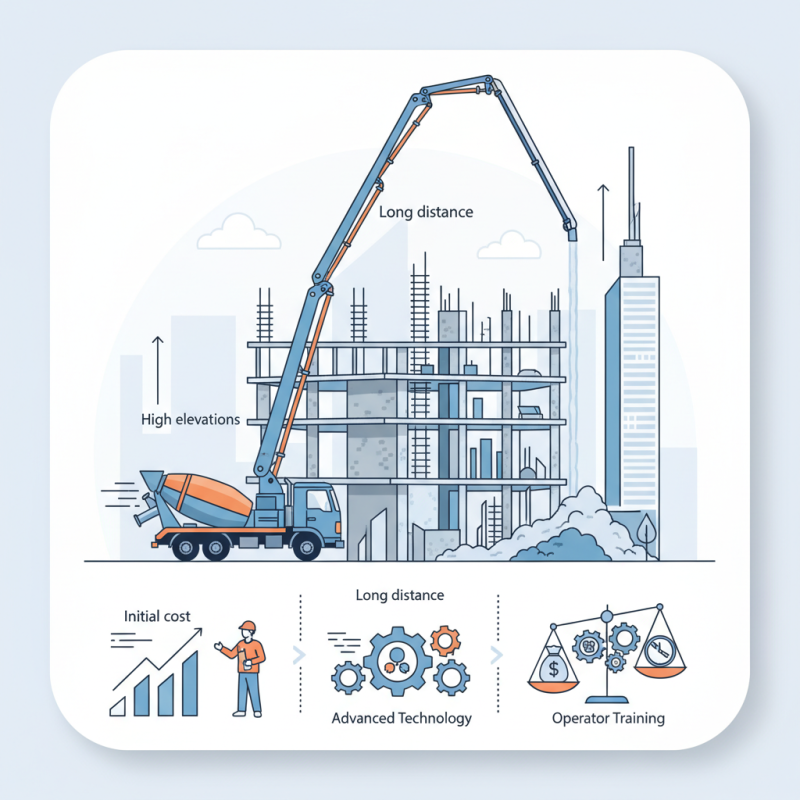
Understanding Schwing is essential for modern construction projects. Its capability to pump concrete over long distances and up high elevations is impressive. Many construction teams rely on Schwing because it enhances productivity. However, not all construction sites are adequately equipped for its use. Some contractors may overlook crucial training for operators, leading to potential mishaps.
Schwing represents a significant advancement in construction. Yet, there can be hesitation in adopting such technology. The initial costs may be daunting for some. Still, the benefits often outweigh these challenges. Embracing Schwing means embracing efficiency and safety in construction tasks. The impact it has on project timelines is undeniable. As technology evolves, understanding Schwing's importance will remain essential.
What is Schwing and Its Role in the Construction Industry?
Schwing technology plays a vital role in the construction industry. It primarily involves the transportation and placement of concrete. Schwing systems enhance efficiency and accuracy during concrete pouring processes. According to the American Concrete Institute, precise concrete placement can improve structural integrity by up to 30%. This shows the importance of reliable equipment in achieving optimal results.
Moreover, Schwing's innovations reduce labor costs. A report from the Construction Industry Institute states that automated systems can lower labor expenses by 20%. They allow for streamlined operations on-site, minimizing delays. However, reliance on technology brings challenges. If equipment fails, it can halt projects and lead to financial losses. Maintenance is crucial yet often overlooked.
User training is another factor to consider. Operators need proper skills to use Schwing equipment effectively. Neglecting training can result in inefficient operations. The industry should prioritize ongoing education to avoid mishaps. Addressing these areas will significantly enhance the effectiveness of Schwing systems and drive future growth.
The History and Evolution of Schwing Technology in Construction
The evolution of Schwing technology in construction has been remarkable. Originally, the use of concrete pumping was rudimentary. Workers often transported concrete manually, which was labor-intensive and time-consuming. As construction demands grew, the need for efficiency became clear. This paved the way for innovative pumping solutions.
Over the years, Schwing technology progressed significantly. Early models were basic, with limited capabilities. They struggled with tough terrains and large projects. However, engineers continuously refined the design. New materials and mechanics improved both reliability and performance. Today, we see powerful pumps capable of moving concrete over long distances with precision.
Despite these advancements, challenges remain. Some systems can be overly complex, requiring skilled operators. Maintenance can also be demanding, especially in harsh environments. Construction teams often grapple with these issues, reflecting on past experiences to enhance future practices. As the industry evolves, it’s essential to balance efficiency with simplicity.
Key Applications of Schwing in Modern Construction Projects
Schwing is a vital tool in modern construction. It primarily deals with the transportation and placement of concrete. A key application is in high-rise buildings, where precision matters. Schwing technology ensures that concrete flows smoothly, reaching crucial heights without delays. This efficiency plays a massive role in project timelines.
In road construction, Schwing finds its purpose too. It helps to mix and pour large volumes of concrete quickly. This speed can enhance the overall project efficiency. However, one must be cautious when managing the setup. Mistakes at this stage can lead to waste and costs.
**Tip:** Always double-check machine calibration before starting work. A small error can lead to massive disruptions. Remember, communication among team members is crucial to prevent misunderstandings. This can save time and resources. When using Schwing, ensure proper training for all operators. Their skills directly impact project success.
Key Applications of Schwing in Modern Construction Projects
Benefits of Using Schwing Equipment in Construction Processes
Schwing equipment plays a crucial role in the construction industry. It enhances the process of transporting concrete. This improves efficiency on job sites. Workers can complete tasks faster and with higher quality. The precision offered by this equipment reduces waste and errors. Such benefits can save both time and money.
Using Schwing equipment allows for better control over concrete flow. This is essential for large projects requiring consistent pouring. The equipment can handle varying volumes. This adaptability makes it useful in different construction scenarios. Operators can quickly adjust settings to meet unique demands.
However, relying on advanced equipment has its challenges. Maintenance is vital for optimal performance. Also, operators must be adequately trained. Improper use can lead to accidents or delays. The balance between technology and skilled labor is often delicate. Reflection on these issues can guide better practices in the field.
Future Trends and Innovations in Schwing Technology for Construction
In recent years, Schwing technology has undergone significant advancements. According to industry reports, innovative developments in concrete pumping have improved efficiency by up to 30%. This cutting-edge technology allows for better material delivery on job sites, reducing waste and maximizing productivity. Projects can often be completed faster, giving companies a competitive edge.
Emerging trends include the integration of IoT devices. These devices monitor equipment performance in real-time. They help in predictive maintenance, reducing downtime by 25% on average. However, the adoption of such technology presents challenges. Many companies struggle with the initial costs and training requirements. As more firms recognize the benefits, the push for better training and upskilling becomes crucial.
Sustainability is another focal point. Reports indicate that green construction practices are already being adopted in 50% of new projects. Schwing technology is evolving to include eco-friendly materials, which minimizes environmental impact. Yet, achieving full sustainability remains an ongoing challenge. There is an urgent need for continuous innovation in this area. Achieving these ambitious goals requires effort and reflection within the industry.

