How to Ensure Consistent Quality in Mass Fastener Orders?

Time:2026-05-25 Author:Oliver
0%

In the competitive landscape of manufacturing, ensuring top-tier quality in mass fastener orders is essential. John Smith, an industry expert with over 20 years of experience, highlights, "Quality is not an act, but a habit." This profound statement resonates deeply in the fastener industry, where precision and reliability are paramount.

When dealing with large orders, consistency is often challenged. Variations can arise from different suppliers, material batches, and manufacturing techniques. Companies must prioritize quality control and develop strong relationships with their suppliers. This collaboration ensures that specifications are met consistently. However, some businesses overlook the importance of regular audits and inspections, leading to potential pitfalls.

Navigating the complexities of fastener quality requires diligence. Manufacturers must be proactive in their approach. Utilizing technology, such as automated inspection systems, can enhance quality assurance. However, reliance on technology should not replace human oversight. Balancing technology with personal expertise is crucial. This blend can help answer the question of how to ensure consistent quality in mass fastener orders.
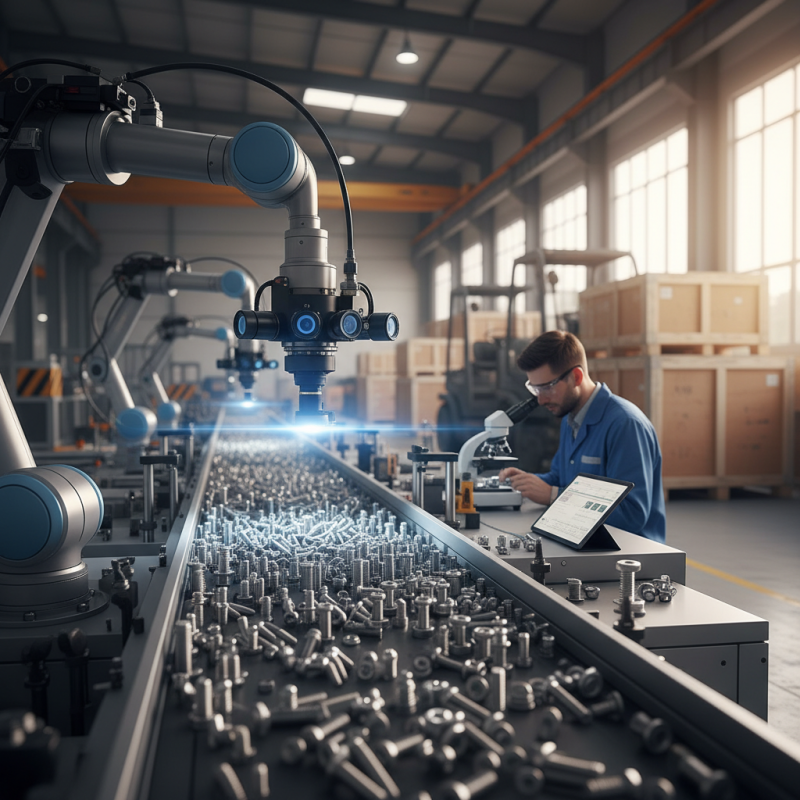
How to Ensure Consistent Quality in Mass Fastener Orders?

Understanding Quality Standards for Fasteners

Quality standards for fasteners are crucial in ensuring that mass orders meet the required specifications. Understanding specifications is vital. According to a report by the Fastener Quality Act, manufacturers must adhere to ASTM standards. These standards address important metrics, including tensile strength, corrosion resistance, and dimensional accuracy. Any deviation can lead to significant issues in assembly processes or product functionality.

Regular audits and testing can catch potential quality issues early. Implementing stringent inspections based on the International Organization for Standardization (ISO) guidelines will help maintain consistency. For instance, using statistical process control can monitor and improve production quality. This practice has shown to reduce defects by up to 75% in some companies.

Tips: Always verify suppliers' certifications. Request material test reports to ensure compliance with standards. Train your team to recognize common defects, like mismatched threads or rust. Being proactive can save time and money. Aim for a culture of quality control within your organization. It will help in minimizing errors and fosters trust with customers.

Establishing Reliable Supplier Relationships

Building strong supplier relationships is critical for ensuring consistent quality in mass fastener orders. Reliable suppliers help streamline your production process and reduce the risk of defects. Finding the right partner takes time and effort. Trust is built through transparency, open communication, and shared values.

Tips for nurturing supplier relationships include regular check-ins. Schedule meetings to discuss production updates and quality standards. This creates a feedback loop. Address any issues promptly to maintain trust. Additionally, it’s vital to visit your suppliers when possible. Face-to-face interactions can deepen your partnership. Observing their operations firsthand can reveal strengths and areas needing improvement.

Flexibility is another key aspect. A good supplier adapts to your changing needs and expectations. However, remember that not all suppliers will meet your standards. Stay vigilant. Regularly evaluate their performance based on quality metrics and delivery times. Establish a system to document these evaluations. This ensures that you maintain a high-quality supply chain and make informed decisions moving forward.

Quality Consistency in Mass Fastener Orders

Implementing Rigorous Quality Control Processes

Achieving consistent quality in mass fastener orders starts with implementing rigorous quality control processes. Effective quality control reduces defects and enhances reliability. According to a report by the American Fastener Industry, nearly 25% of fastener failures are attributed to poor quality control practices. Regular audits and inspections can help identify potential issues, ensuring that products meet specified standards.

Quality control should encompass every step of the production process. Establishing clear specifications is crucial. Engaging in routine testing during manufacturing can catch deviations early. For instance, tensile strength tests should be routinely performed on batches. Studies indicate that companies employing ISO 9001 standards see a 30% reduction in defects. Investing in proper training for staff is equally essential. Human error can lead to significant quality lapses.

Despite robust systems, challenges remain. Equipment malfunctions and outdated testing methods can compromise quality. Regular review of processes and equipment updates are necessary to maintain high standards. Feedback looping from customers can sometimes be ignored, although it can offer valuable insights for improvement. Acknowledging these imperfections is the first step toward enhancing overall quality control in fastener orders.

Conducting Regular Audits and Inspections

Conducting regular audits and inspections is vital for ensuring consistent quality in mass fastener orders. These audits help identify weaknesses in production processes. Without routine checks, minor issues can escalate, leading to significant defects. A well-designed audit plan evaluates not only the finished products but also the manufacturing processes. This twofold approach enhances reliability.

Inspection routines can vary, but they should include checks at different stages. For instance, inspecting raw materials is crucial to prevent flaws from the outset. Furthermore, during production, random sample checks can catch problems early. Even visual inspections can reveal inconsistencies that might go unnoticed otherwise. However, it’s essential to recognize that inspection alone isn't foolproof. Human error plays a role, making it imperative to train staff continuously.

Beyond technical checks, documentation is an essential part of the process. Accurate records of audits can help track quality over time. They highlight trends and inform future improvements. Yet, many organizations overlook the importance of thorough record-keeping. Without it, learning from past mistakes becomes much harder. Balancing inspection rigor with the practicalities of production can be challenging, but it’s a worthwhile endeavor.

Utilizing Feedback for Continuous Improvement

In the fastener industry, utilizing feedback is crucial to maintaining quality. A recent report from the Fastener Quality Act shows that 30% of defects arise from miscommunication during production. Regular feedback loops help identify these gaps. By actively seeking input from production teams and clients, manufacturers can pinpoint issues early. This proactive approach can decrease defect rates significantly.

Gathering insights from various stakeholders also cultivates a culture of continuous improvement. In a recent survey, 70% of firms that implemented feedback mechanisms reported enhanced product reliability. These firms made iterative adjustments based on real-time data. However, many still struggle with integrating this feedback into their processes. Developing a structured system for feedback can pave the way for long-term success.

Consistent quality is not solely about correcting errors. It’s about embracing an ongoing dialogue with all involved parties. Establishing trust and open communication channels fosters a collaborative environment. This approach not only enhances product quality but also strengthens relationships. Analyzing past mistakes and acknowledging areas for improvement are vital for future growth in the mass fastener market.

How to Ensure Consistent Quality in Mass Fastener Orders? - Utilizing Feedback for Continuous Improvement

Order ID Customer Feedback Score Defects Reported Resolution Time (hours) Follow-up Actions Taken
1001 4.5 2 24 Replaced components, customer satisfaction survey
1002 3.8 5 48 Conducted a root cause analysis
1003 4.0 1 12 Modified manufacturing process
1004 4.7 0 N/A No action required
1005 3.5 3 36 Revised quality assurance checklist

FAQS

: What are quality standards for fasteners?

: Quality standards define specifications for fasteners like tensile strength, corrosion resistance, and dimensional accuracy.

Why is understanding specifications important?

Understanding specifications helps prevent issues during assembly and ensures product functionality.

How can companies maintain consistent quality?

Regular audits and testing, plus stringent inspections, help maintain consistent quality in fastener production.

What role do suppliers play in ensuring quality?

Reliable suppliers streamline production and reduce defects, making strong relationships essential.

How can feedback improve supplier relationships?

Open communication and regular check-ins create a feedback loop to address issues and build trust.

What happens when quality control practices are poor?

Nearly 25% of fastener failures stem from inadequate quality control methods, leading to major issues.

What is an effective quality control process?

Routine tests during production catch deviations early, helping ensure products meet specified standards.

What training is important for staff?

Proper training helps minimize human error, which can lead to significant quality lapses.

What challenges can affect fastener quality?

Equipment malfunctions and outdated testing methods can compromise quality, necessitating regular process reviews.

How can customer feedback help improve quality?

Customer insights can offer valuable information for enhancement, even if sometimes overlooked.

Conclusion

Ensuring consistent quality in mass fastener orders is crucial for manufacturers and suppliers in any industry. To achieve this, it is essential to understand the relevant quality standards specific to fasteners, which serve as the foundation for evaluating product integrity. Building reliable relationships with suppliers who adhere to these standards can significantly influence the quality of the products received.

Moreover, implementing rigorous quality control processes, including regular audits and inspections, is vital to maintaining high standards throughout the production cycle. By conducting these thorough evaluations, potential issues can be identified and corrected before products reach customers. Additionally, utilizing feedback from clients can drive continuous improvement, allowing for adaptations in processes and relationships that enhance quality over time. In sum, these strategies collectively contribute to answering the question of how to ensure consistent quality in mass fastener orders.

Oliver

Oliver

Oliver is a seasoned marketing professional with a wealth of expertise in driving brand awareness and engagement. With a deep understanding of our company's product offerings, he consistently delivers high-quality content that enriches our professional blog. His insights not only shed light on......