How to Choose Precision Bearings for Maximum Performance and Durability
In the ever-evolving field of engineering and manufacturing, the choice of precision bearings plays a crucial role in achieving maximum performance and durability in machinery. According to a recent report by MarketsandMarkets, the precision bearings market is projected to reach USD 84.8 billion by 2025, growing at a significant CAGR of 7.6%. This underscores the vital importance of selecting the right precision bearings, which not only enhance the operational efficiency of equipment but also reduce maintenance costs and improve longevity.
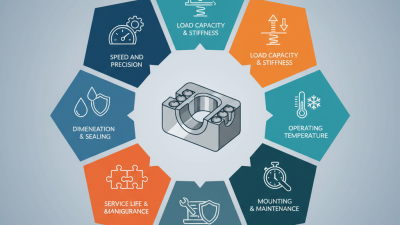
Industry expert Dr. John Smith, a leading authority on bearing technology, emphasizes, "The right precision bearings can significantly influence the reliability and operational lifespan of machinery. An informed selection process is essential for optimizing performance." With a myriad of options available, ranging from different materials to various types, understanding the specific requirements of applications is imperative. Factors such as load capacity, environmental conditions, and speed ratings must all be considered to ensure that the selected bearings align with the operational demands.
As industries strive to innovate and enhance productivity, the need for high-quality precision bearings has never been more critical. This guide aims to navigate the complexities of choosing the right precision bearings, facilitating informed decisions for achieving optimal outcomes in performance and durability.
Understanding Precision Bearings and Their Applications
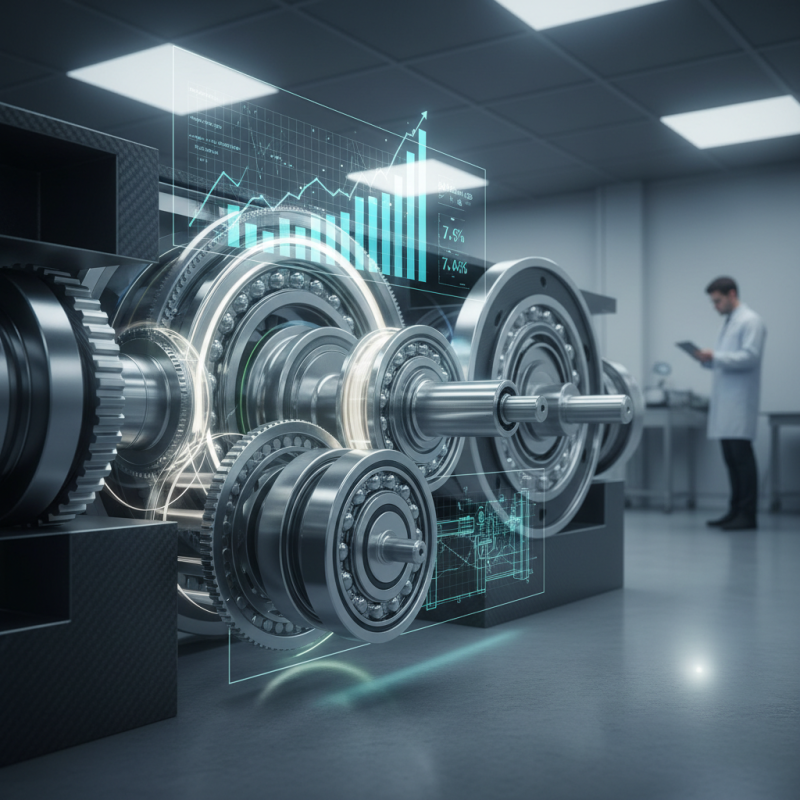
Precision bearings are crucial components in various applications across different industries due to their ability to reduce friction and enhance efficiency. These bearings are designed to maintain tight tolerances and offer high levels of accuracy, which is essential in machinery requiring exact rotational movements, such as in aerospace, automotive, and manufacturing sectors. Understanding the specific requirements of an application, including load capacities, speed, and environmental conditions, helps in selecting the right type of precision bearing.
Various materials and designs exist for precision bearings, including ceramic, steel, and hybrid options, each suited for different operational conditions. For example, ceramic bearings are ideal for high-speed applications because they have lower density and enhanced vibration damping capabilities. On the other hand, steel bearings may be preferred in heavier load settings due to their superior load-bearing capacity. Additionally, factors like lubrication, sealing solutions, and temperature tolerance are critical in determining the longevity and performance of precision bearings in any given application. By considering these aspects, engineers can make informed decisions that maximize both the performance and durability of their systems.
Key Factors in Selecting Precision Bearings for Optimal Performance
When selecting precision bearings, it’s crucial to consider several key factors to ensure optimal performance and longevity.
One fundamental aspect is the bearing type and configuration. Different applications may require
deep groove ball bearings, angular contact bearings, or tapered roller bearings, each offering distinct advantages.
According to the International Bearing Industry Association (IBIA), choosing the correct bearing type can improve system efficiency significantly,
with reports indicating that the right selection can lead to an increase in operational lifespan of up to 30%.
Another critical factor is material selection. Bearings made from high-quality materials such as
stainless steel or ceramic can provide enhanced resistance to wear and corrosion. For instance,
a study published by the American Society of Mechanical Engineers (ASME) highlighted that bearings constructed from advanced ceramic composites
exhibit nearly four times the wear resistance compared to standard steel under similar operational conditions.
This durability is especially vital in high-speed applications, where even minor imperfections can lead to catastrophic failure.
Finally, the proper lubrication regime must be established for precision bearings to function optimally.
Proper lubrication reduces friction and heat generation, which can significantly extend the life of the bearings.
A survey conducted by the Society of Tribologists and Lubrication Engineers (STLE) indicated that an appropriate lubrication system
could improve bearing performance by as much as 50%, thus further emphasizing the importance of comprehensive
planning during the selection process.
Materials and Coatings: Enhancing Bearing Durability
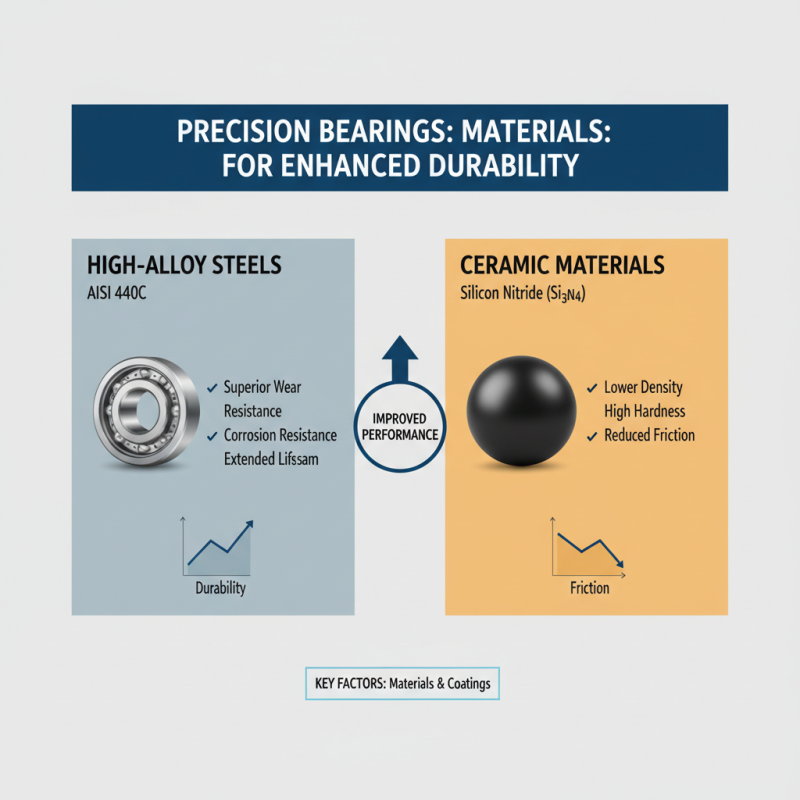
When selecting precision bearings, the choice of materials and coatings is crucial for enhancing their durability and overall performance. Reports indicate that the proper selection of materials can significantly impact the lifespan of bearings, with high-alloy steels such as AISI 440C providing superior resistance to wear and corrosion compared to standard steel options. Additionally, ceramic materials, including silicon nitride, are gaining popularity due to their lower density and high hardness, leading to reduced friction and increased operational lifespan.
Coatings can further enhance bearing performance, particularly in challenging environments. For instance, applying a layer of aluminum oxide or titanium nitride can improve surface hardness and resistance to oxidation. According to a study published by the International Journal of Engineering Research, bearings with advanced coatings can exhibit up to a 30% increase in fatigue life when subjected to extreme conditions, offering substantial cost savings over time due to reduced maintenance and replacement needs.
Tips: When choosing bearings, consider the specific application requirements, such as load capacity and operational environment. Evaluate the potential benefits of specialized coatings for your application, as they can provide significant durability advantages. Regular maintenance schedules can also extend bearing life, ensuring optimal performance by minimizing contamination and lubrication issues.
Maintenance Practices for Longevity of Precision Bearings
Regular maintenance is essential for ensuring the longevity of precision bearings. Implementing a stringent lubrication schedule is a primary tactic to minimize friction and wear. Proper lubrication not only facilitates smoother operation but also prevents overheating, which can lead to premature failure. It is important to choose the right type of lubricant and apply it in the correct amounts to match operational conditions, ensuring that bearings operate efficiently and effectively.
In addition to lubrication, monitoring the operating environment is vital for maintaining precision bearings. Contaminants such as dust, dirt, and moisture can significantly affect performance and lifespan. Regular inspection for signs of wear or damage enables early detection of potential issues, allowing for timely intervention. Furthermore, maintaining appropriate operating temperatures is critical; overheating can accelerate wear and degrade the lubricant’s effectiveness. By adhering to these maintenance practices, users can enhance the performance and durability of precision bearings, ensuring optimal operation in their applications.
Common Mistakes to Avoid When Choosing Precision Bearings
When selecting precision bearings, avoiding common mistakes can significantly enhance performance and prolong lifespan. One frequent error is overlooking the specifications related to load capacity and speed ratings. It's crucial to ensure that the chosen bearings can handle the operational demands without exceeding their limits. Failing to match these specifications can lead to premature failure, increased friction, and ultimately diminished efficiency. Therefore, thoroughly assessing the application's requirements before making a decision is essential.
Another pitfall is neglecting the environment in which the bearings will operate. Factors such as temperature, humidity, and exposure to contaminants can dramatically affect bearing performance. Using bearings that are not designed for specific environmental conditions can lead to corrosion or suboptimal lubrication, compromising their durability. Additionally, skimping on quality by opting for cheaper alternatives can result in more extensive costs in the long run due to repairs and replacements. It’s vital to strike a balance between budget considerations and the need for reliable performance, ensuring that the chosen bearings meet all operational criteria before finalizing the selection.