How to choose fasteners for extreme heat applications?

Time:2026-05-19 Author:Oliver
0%

In the world of engineering, selecting the right fasteners for high-temperature environments is critical. Experts like John Smith, a materials scientist at ThermalTech Engineering, emphasize the importance of this choice. He once said, “Choosing fasteners crafted for extreme heat can greatly enhance durability and safety.”

Fasteners exposed to high temperatures undergo significant stress. The types of materials and coatings used can affect their performance. Commonly used metals include titanium, stainless steel, and Inconel. Each of these materials has unique properties, making them suitable for different applications. However, it’s essential to understand their limitations in high-temperature scenarios.

When considering how to choose fasteners for high-temperature working conditions, engineers must assess the specific environment. Factors such as temperature fluctuations and exposure to corrosive elements also play a role. In some cases, unique heat treatments may enhance performance. Striking the right balance can be challenging, as what works for one application may not for another. Understanding the nuances of each material is crucial for making informed decisions.
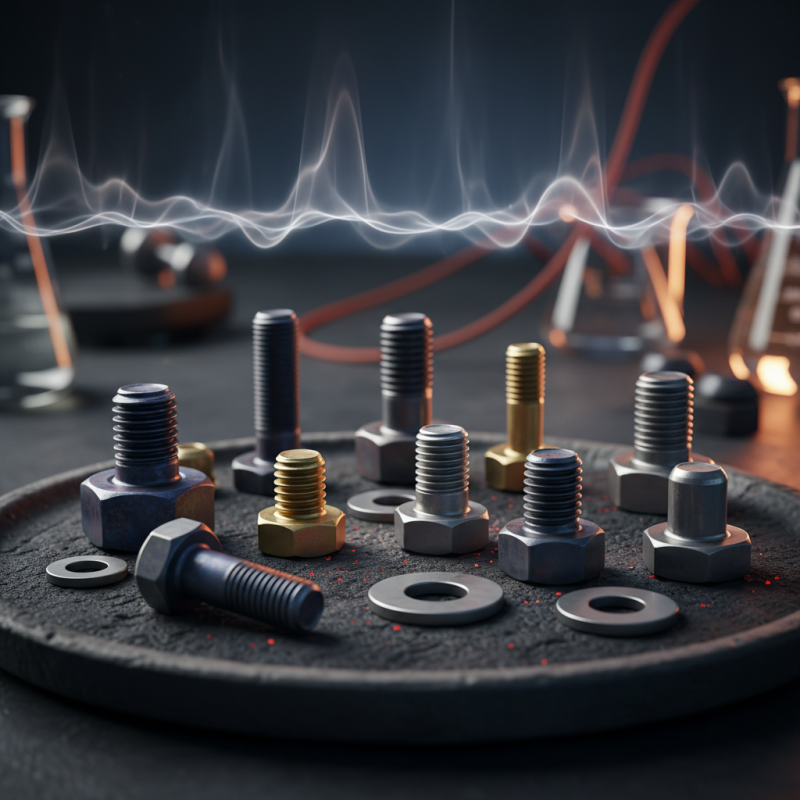
How to choose fasteners for extreme heat applications?

Understanding Extreme Heat Applications and Their Requirements

Extreme heat applications pose unique challenges for fastener selection. These environments often exceed standard temperature limits, demanding specialized materials and designs. High temperatures can cause metal components to expand or warp, leading to potential failure. This makes it crucial to understand materials that can withstand such conditions without degrading. For example, titanium and certain alloys show promise due to their high melting points.

Another factor is thermal cycling. Repeated heating and cooling can impact the integrity of fasteners. Therefore, fasteners must not only tolerate heat but also maintain their strength and reliability under thermal stress. A common approach is to select fasteners with a high thermal conductivity. This can prevent localized overheating and reduce the risk of catastrophic failure.

Engineers must also consider coating solutions. Protective coatings can enhance performance in extreme heat, but they aren’t always foolproof. Sometimes, coatings may wear off faster than expected, leading to potential issues. It's vital to regularly review and test fastener performance in real-world conditions, ensuring they meet safety and operational standards.

Types of Fasteners Suitable for High-Temperature Environments

Selecting fasteners for high-temperature environments is crucial. Certain materials perform better under extreme heat. Stainless steel is a popular choice. It resists oxidation at elevated temperatures. However, not all stainless steels handle heat equally. Choosing the right grade is key.

In addition to stainless steel, titanium alloys are suitable. They maintain strength in high-temperature settings. These fasteners are lighter, yet durable. Another option is nickel alloys, known for their exceptional heat resistance. They are often found in aerospace and industrial applications. Each type has its pros and cons.

Consider the environment where these fasteners will be used. Will they face exposure to chemicals or moisture? These factors can affect their performance over time. Test the chosen materials in actual conditions if possible. This gives insight into their reliability. Fasteners may fail unexpectedly if not properly selected. Regular maintenance can also play a role in extending their lifespan.

How to choose fasteners for extreme heat applications? - Types of Fasteners Suitable for High-Temperature Environments

Fastener Type Material Temperature Range (°C) Applications
Inconel Bolts Inconel -253 to 960 Aerospace, Chemical Processing
Titanium Screws Titanium Alloy -270 to 600 Marine, Automotive
Ceramic Fasteners Ceramic -200 to 1600 High-Temperature Furnaces
Heat-Resistant Steel Nuts Heat-Resistant Steel -40 to 500 Industrial Machinery
High-Temp Plastic Fasteners PTFE -200 to 260 Electrical Insulation

Key Materials for Fasteners in Extreme Heat: Advantages and Disadvantages

When selecting fasteners for extreme heat applications, material choice is crucial. Stainless steel is often used due to its excellent corrosion resistance and strength. However, it can lose tensile strength at high temperatures. This is a significant consideration for environments exceeding 800°F.

In contrast, titanium offers exceptional heat resistance. It maintains strength even in extreme conditions. Yet, titanium can be more expensive and less readily available. This trade-off must be carefully evaluated. Additionally, Inconel, a nickel-chromium alloy, is renowned for its ability to withstand aggressive environments. However, its weight and cost may limit its use in certain projects.

Choosing the right material impacts performance and longevity. Each option comes with advantages and drawbacks. It’s essential to analyze the specific requirements of your application. Reflecting on these factors can lead to informed decisions. Consider the long-term effects of heat on your choice of fasteners. The right selection can enhance safety and efficiency in high-temperature settings.

Design Considerations for Fasteners Used in High-Temperature Conditions

When selecting fasteners for extreme heat applications, various design considerations come into play. High temperature can significantly affect material properties. For optimal performance, it’s essential to understand how factors like thermal expansion and strength correlate with temperature. Metal fasteners, such as those made from stainless steel or titanium, often excel under intense conditions; however, each material holds distinct characteristics that need evaluation.

The fastener’s coating also warrants careful attention. Coatings may protect against oxidation but can degrade when exposed to extreme heat. It’s crucial to ensure that the chosen coating remains intact under operating temperatures. As a result, a balance between thermal stability and corrosion resistance is vital. Additionally, the method of fastening can impact reliability. For instance, welding can provide strong joints in high-heat environments but may require more skill to execute correctly.

Custom designs may be necessary for some applications. Customized fasteners can meet specific size and thermal requirements, enhancing overall performance. Choosing the wrong fastener can lead to failures and costly repairs. Nevertheless, it can be a complex decision due to varying operational environments. Continuous testing and material trials can help refine choices to achieve optimal outcomes. Ultimately, understanding the nuances in material behavior under heat will guide better design and performance.

Testing and Certification Standards for High-Temperature Fasteners

When choosing fasteners for extreme heat applications, testing and certification standards play a critical role. Various industry bodies set guidelines to ensure reliability. For example, fasteners are often subjected to ASTM E2550, a standard that evaluates the mechanical properties of high-temperature materials. This ensures that they maintain structural integrity under extreme conditions.

High-temperature environments can vary widely. For instance, aerospace applications may expose fasteners to temperatures exceeding 1,000°F. Such conditions require materials that can withstand thermal stresses without deforming. Material selection needs to focus on both strength and thermal stability.

Not all fasteners will meet these rigorous demands. Some materials can lose strength when exposed to heat for extended periods. Testing methods, including tensile and fatigue tests, help identify suitable options. Engineers must reflect on the specific characteristics of their application. Relying solely on generic standards is not enough. Each usage scenario must be carefully evaluated against these rigorous benchmarks.

FAQS

: What are extreme heat applications?

: Extreme heat applications involve environments that exceed standard temperature limits, challenging fastener performance.

Why is material selection important in high-temperature environments?

Materials must withstand high temperatures without degrading, preventing metal components from expanding or warping.

How does thermal cycling affect fasteners?

Repeated heating and cooling can weaken fasteners, making strength and reliability crucial under thermal stress.

What role do protective coatings play in high-temperature applications?

Coatings can enhance performance but may wear off quickly, requiring regular testing to ensure effectiveness.

What is ASTM E2550?

ASTM E2550 is a standard evaluating the mechanical properties of materials used in high-temperature settings.

How do engineers test fasteners for extreme heat?

Engineers conduct tensile and fatigue tests to identify fasteners that can endure high thermal stresses over time.

What happens if fasteners lose strength in heat?

If fasteners weaken, it can lead to potential failure in applications, making material selection vital.

Are generic standards sufficient for all high-temperature applications?

No, engineers must evaluate specific usage scenarios against rigorous standards to ensure reliability.

Can fasteners fail even if they meet standards?

Yes, real-world conditions may differ, highlighting the need for regular performance reviews and adjustments.

How important is continuous testing in extreme heat environments?

Continuous testing is essential to ensure fasteners meet safety and operational standards over time.

Conclusion

In addressing the question of how to choose fasteners for high-temperature working conditions, it is essential to first understand the specific requirements imposed by extreme heat applications. Fasteners must be capable of withstanding elevated temperatures without compromising their integrity or performance. This involves selecting the appropriate type of fasteners that are specifically designed for high-temperature environments, such as those made from specialized alloys or materials.

Key materials for fasteners in extreme heat settings come with their own advantages and disadvantages. Understanding these characteristics is crucial to making informed decisions. Additionally, design considerations play a significant role in enhancing the durability and reliability of fasteners under high-temperature conditions. Finally, adhering to testing and certification standards ensures that the chosen fasteners meet safety and performance benchmarks, making them suitable for demanding applications. By following these guidelines, one can effectively select fasteners that will perform reliably in high-temperature scenarios.

Oliver

Oliver

Oliver is a seasoned marketing professional with a wealth of expertise in driving brand awareness and engagement. With a deep understanding of our company's product offerings, he consistently delivers high-quality content that enriches our professional blog. His insights not only shed light on......