Batch CAD Cart (0)
  • Cart is empty

Top 10 Benefits of Using Tapered Roller Bearings in Machinery

In the realm of industrial machinery, the efficiency and reliability of components are paramount to operational success. One critical component that has gained significant attention is the tapered roller bearing. As per recent industry reports, the global market for tapered roller bearings is projected to reach approximately $10 billion by 2027, growing at a compound annual growth rate (CAGR) of around 5.2%. This increase is driven by the need for enhanced performance in various applications, including automotive, aerospace, and heavy machinery.

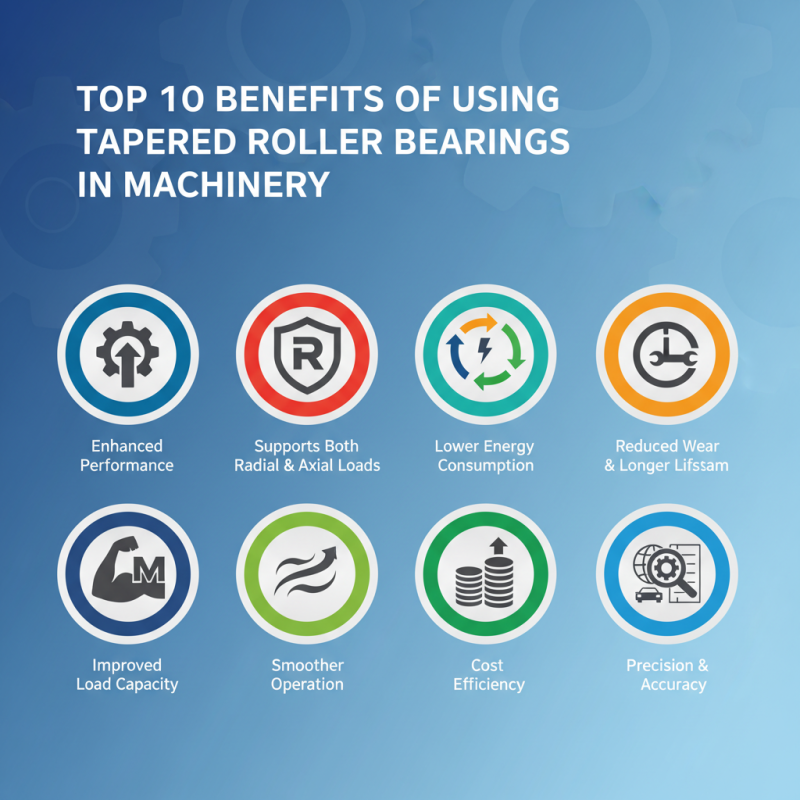
Tapered roller bearings are renowned for their ability to support both radial and axial loads while ensuring minimal friction. This unique capability allows machinery to operate more smoothly and efficiently, translating to lower energy consumption and reduced wear over time. According to a study published by the Journal of Mechanical Engineering, machinery utilizing tapered roller bearings can exhibit up to 30% improved load capacity compared to their counterparts that employ other bearing types. As industries continuously seek to optimize their operations, understanding the numerous benefits of tapered roller bearings becomes essential for engineers and decision-makers alike.
Top 10 Benefits of Using Tapered Roller Bearings in Machinery

Overview of Tapered Roller Bearings and Their Applications

Top 10 Benefits of Using Tapered Roller Bearings in Machinery

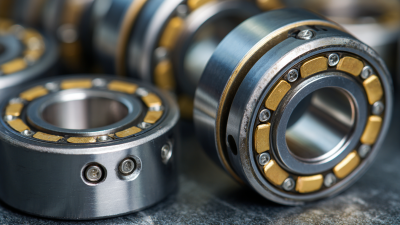
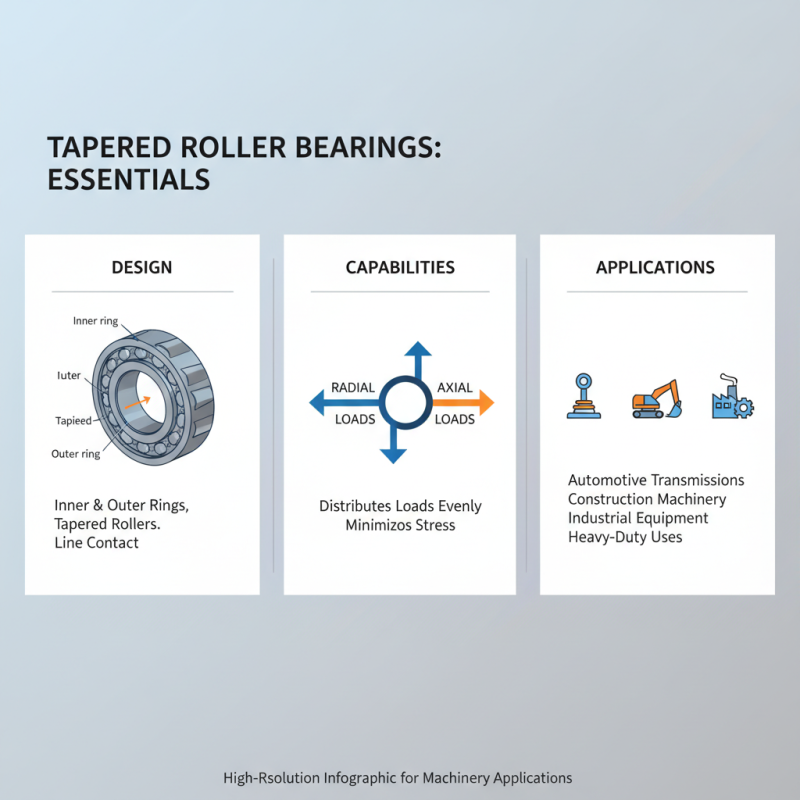
Tapered roller bearings are essential components in various machinery applications, thanks to their unique design and capabilities. These bearings consist of an inner ring, outer ring, and tapered rollers that are arranged in such a way that they can handle both radial and axial loads efficiently. Their tapered shape allows the rollers to make line contact with the raceways, thus distributing loads evenly and minimizing stress concentration. This makes them particularly suitable for heavy-duty applications, including automotive transmissions, construction machinery, and industrial equipment.

Tips: When selecting tapered roller bearings for your machinery, consider the specific load requirements and operating conditions. Ensure proper alignment during installation, as misalignment can lead to premature wear and failure. Regular maintenance, including lubrication and inspection, is crucial to extend the life of these bearings.

The versatility of tapered roller bearings extends across a wide range of industries. They are employed in applications such as wheel hubs in vehicles, where they help ensure smooth rotation and stability. Moreover, in construction machinery, these bearings can withstand harsh environments, providing reliability and efficiency. By understanding their applications and benefits, engineers and manufacturers can optimize the performance and durability of their machinery.

Tips: Assess the environmental conditions your machinery will face, such as temperature and exposure to contaminants, to choose the right sealing options for tapered roller bearings. Utilizing appropriate maintenance schedules can also enhance their operational lifespan.
Enhanced Load Distribution in Machinery Using Tapered Roller Bearings

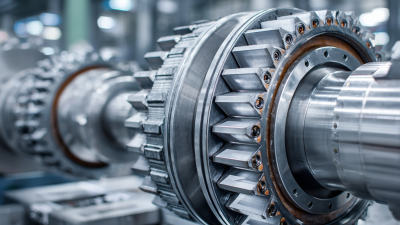
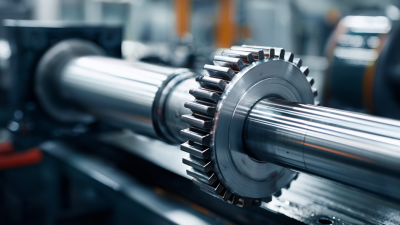
Tapered roller bearings are integral components in various machinery, providing enhanced load distribution that significantly improves operational efficiency. Unlike traditional bearings, tapered roller bearings are designed to accommodate axial and radial loads simultaneously, which helps to evenly distribute forces across the contact surfaces. According to a report by the American Bearing Manufacturers Association, the optimized geometry of tapered roller bearings allows them to operate under heavy loads and at higher speeds compared to standard roller bearings. This capability is crucial in applications such as automotive, aerospace, and heavy machinery, where maintaining structural integrity while minimizing wear is paramount.

Furthermore, the efficient load distribution offered by tapered roller bearings not only prolongs the lifespan of the bearings themselves but also reduces the overall maintenance costs of machinery. A study conducted by the International Organization for Standardization indicates that machines utilizing tapered roller bearings can experience a reduction in energy consumption by up to 10%, owing to decreased friction and optimized load handling. This is particularly relevant in high-demand environments, where machinery downtime can lead to significant financial losses. By implementing tapered roller bearings, industries can enhance their equipment’s performance and efficiency while ensuring a more sustainable and cost-effective operation.

Top 10 Benefits of Using Tapered Roller Bearings in Machinery

This chart illustrates the enhanced load distribution and performance improvements when utilizing tapered roller bearings in various machinery applications.

Reduced Friction and Improved Efficiency with Tapered Roller Bearings

Tapered roller bearings are essential components in modern machinery, renowned for their ability to minimize friction and enhance operational efficiency. According to a recent report from the International Journal of Engineering Research, the use of tapered roller bearings can reduce frictional losses by up to 30%, which directly contributes to improved energy efficiency in various applications. This reduction in friction allows machinery to operate at lower temperatures, leading to less wear and tear on components, ultimately extending the lifespan of the equipment and reducing maintenance costs.

Moreover, the design of tapered roller bearings enables them to support both radial and axial loads, which is critical for heavy-duty applications such as in the automotive and manufacturing industries. Industry studies indicate that machinery equipped with tapered roller bearings can achieve efficiency improvements of approximately 15-20%. These figures highlight the importance of incorporating advanced bearing technology to meet the demands of modern machinery, ensuring optimal performance while minimizing energy consumption. As industries strive towards sustainability, the adoption of tapered roller bearings aligns with these goals by optimizing operational efficiency and advancing towards greener manufacturing practices.

Longer Lifespan and Maintenance Benefits of Tapered Roller Bearings

Tapered roller bearings are designed to handle both radial and axial loads, making them an essential component in various machinery. One of their most notable advantages is their longer lifespan compared to traditional bearings. The unique shape of the tapered rollers allows for a larger contact area between the roller and the raceway, which helps distribute the load more evenly. This efficient load distribution minimizes wear and tear, significantly extending the bearing's service life. Properly maintained tapered roller bearings can operate effectively for years, reducing the frequency of replacements.

Another key benefit of tapered roller bearings is their reduced maintenance requirements. Due to their robust design and longer lifespan, these bearings typically require less frequent lubrication and inspection. This not only saves time and resources for maintenance crews but also enhances the overall efficiency of the machinery. With less downtime for repairs and maintenance, industries can achieve higher productivity levels, ultimately leading to increased profitability. As a result, adopting tapered roller bearings can be a smart investment for any operation looking to enhance the reliability and longevity of their equipment.

Versatility of Tapered Roller Bearings Across Different Industries

Tapered roller bearings are renowned for their adaptability and performance across a multitude of industries. Their unique design, featuring conical rollers and specially shaped raceways, allows them to handle both radial and axial loads effectively. This versatility makes them an ideal choice for applications ranging from heavy machinery in construction and mining to precision equipment in the aerospace and automotive sectors. In environments that require resilience and reliability, tapered roller bearings excel by ensuring smooth operations while minimizing wear and tear.

Additionally, the use of tapered roller bearings extends to diverse fields such as robotics, agriculture, and renewable energy. In robotics, their ability to manage varying load conditions is crucial for robotic arms and automated systems that operate under different weight distributions. In the agricultural industry, these bearings support the durability and efficiency of tractors and harvesters, enabling them to withstand harsh conditions. Moreover, in the renewable energy sector, tapered roller bearings enhance the performance and reliability of wind turbines and solar tracking systems, ultimately contributing to increased energy efficiency. This wide-ranging applicability underscores the importance of tapered roller bearings in modern machinery and their integral role in advancing technology across various domains.

Top 10 Benefits of Using Tapered Roller Bearings in Machinery

Benefit Description Industries
Load Carrying Capacity Can support both axial and radial loads, making them versatile for various applications. Automotive, Aerospace
Longevity Designed for durability, leading to reduced maintenance costs and longer operational life. Manufacturing, Mining
Reduced Friction Lower friction coefficients lead to less heat generation and energy consumption. Industrial Machinery, Transportation
Versatility Applicable in a wide range of environments and machinery types. Construction, Agriculture
High Precision Manufactured to strict tolerances, allowing for precise movement in machinery. Medical Devices, Robotics
Cost-Effective Longer lifespan and reduced downtime lead to lower overall costs. Energy, Heavy Equipment
Improved Shock Resistance Handles sudden loads and impacts better than other bearing types. Aerospace, Defense
Easy Installation Designed for straightforward installation, reducing setup time. Automotive, Electric
Temperature Tolerance Function effectively across a wide range of temperatures. Oil & Gas, Chemical
Noise Reduction Designed to minimize noise levels during operation, enhancing working conditions. Textile, Food Processing